March 10, 2026
The roof over your head is one of the most critical components of a home. It shields you from the elements, maintains structural integrity, and contributes to your home's overall comfort. Despite its importance, roof maintenance is often overlooked, which can lead to leaks, structural issues, and costly repairs. Recognizing the signs that a roof needs replacement allows homeowners to take proactive action, preserving safety and protecting property value.
Regular attention to your roof can prevent minor issues from growing into larger problems, helping maintain the appearance and functionality of your home. A roof is an investment that contributes not only to the protection of your home but also to its overall aesthetic appeal. Staying observant and aware of changes over time can make the roof replacement process smoother and less stressful when the time comes.
1. The Indicators of Visible Roof Damage
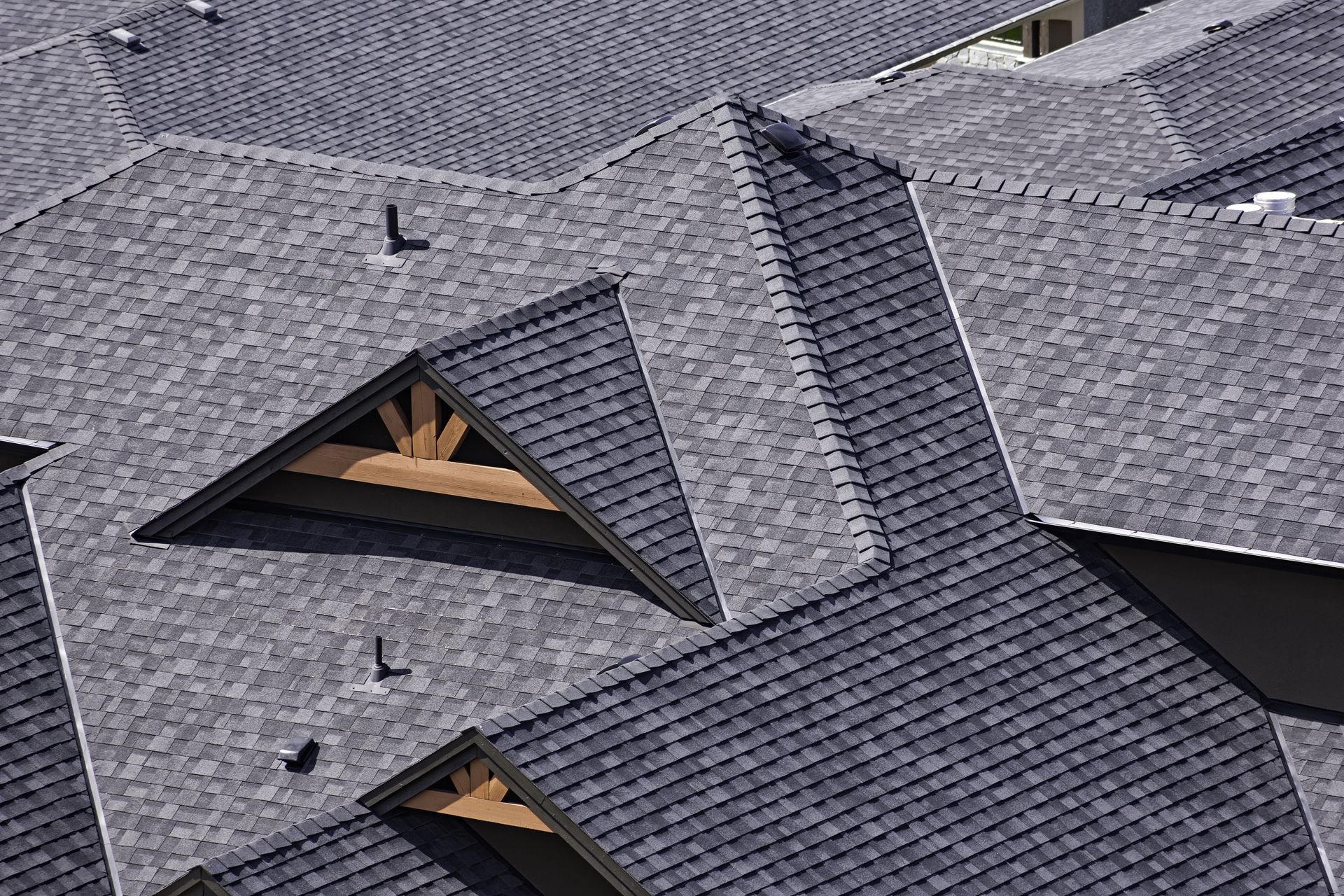
Visible damage is often the clearest sign that a roof may need roof replacement. Cracked or missing shingles expose your home to water intrusion, increasing the risk of leaks and moisture-related damage. Shingles can crack or break due to prolonged exposure to sun, wind, and rain, while missing shingles remove vital protection from the underlying roof layers. Regular inspections help identify these issues before they worsen.
Curling or buckling shingles are also signs of potential roof failure. Curling usually results from moisture absorption or age-related wear, while buckling may be caused by roof decking movement or inadequate ventilation. Both conditions reduce the roof's ability to shed water efficiently, increasing the likelihood of leaks. Sagging roof sections indicate more serious structural concerns, which require prompt evaluation. Moss or algae growth, though often cosmetic, can indicate moisture retention and potential damage. Granule loss from asphalt shingles similarly diminishes protection, emphasizing the need for routine roof inspections.
Even minor damage can become more noticeable over time, especially after seasonal changes or storms. Homeowners may notice shingles that appear worn, loose, or discolored, signaling the beginning stages of deterioration. Paying attention to these small details and documenting them can help guide decisions about maintenance or roof replacement while preventing more significant issues later.
2. The Impact of Roof Age
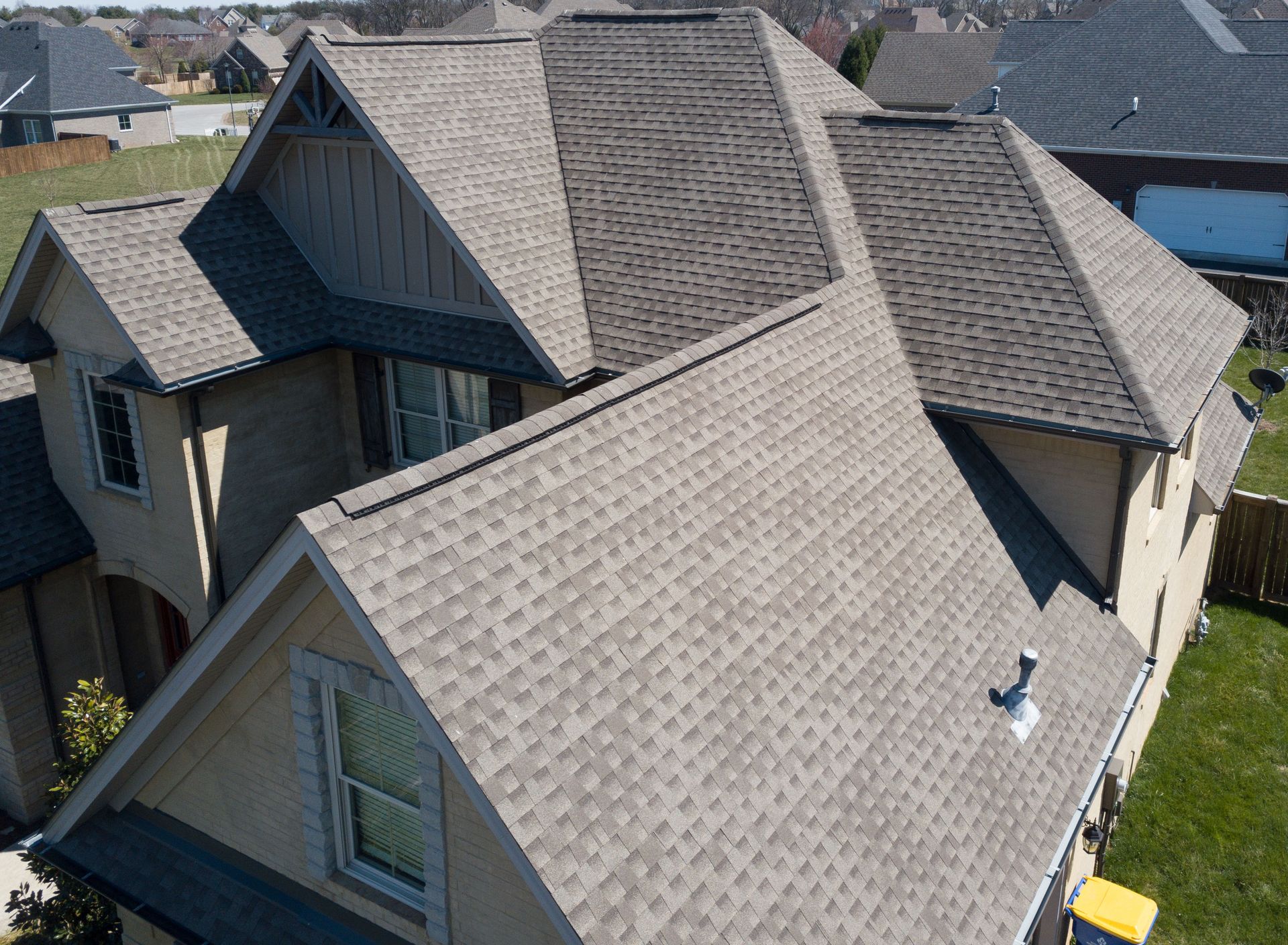
The age of your roof is a key factor in determining when roof replacement may be necessary. Most residential asphalt shingle roofs last approximately 20 to 25 years. Knowing when your roof was installed can help you anticipate its replacement needs. Environmental conditions, including heavy rain, hail, and strong sunlight, can accelerate wear and reduce the roof's lifespan. Planning ahead allows homeowners to schedule roof replacement in a timely manner and avoid unexpected issues.
Even if a roof appears intact, age alone can affect its performance over time. Shingles may become brittle, lose granules, or begin to lift, diminishing their protective capacity. By understanding the typical lifespan of your roofing material, homeowners can plan inspections and potential replacement before serious problems arise, making the process more manageable.
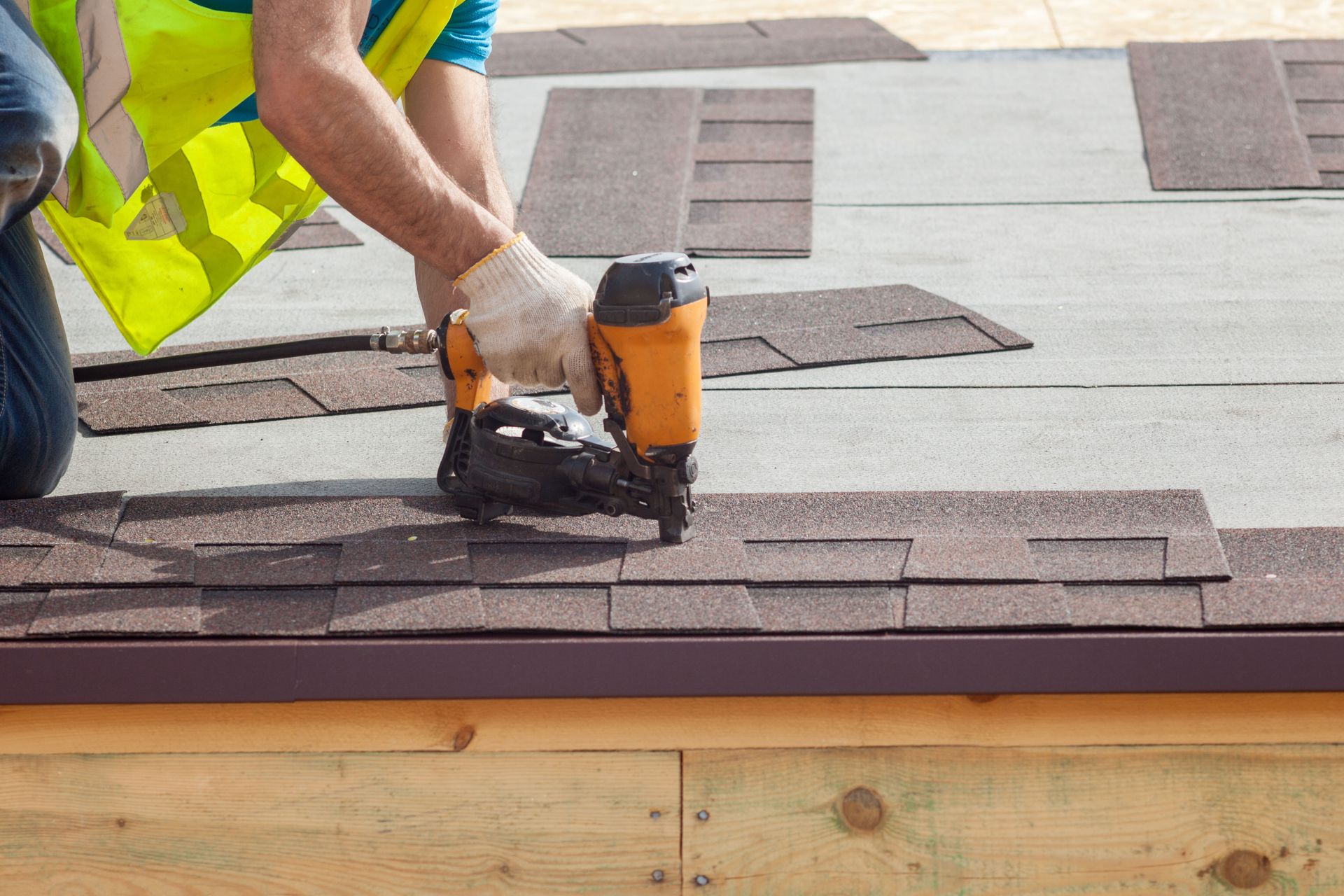
According to RubyHome, about 5 million roofs are installed each year in the United States. This statistic highlights the prevalence of roof replacement needs and underscores the importance of observing signs of wear over time. Being proactive allows homeowners to maintain the overall safety and comfort of their home.
3. The Signs of Leaks and Interior Water Damage
Leaks are a serious concern that requires immediate attention. Water stains on ceilings or walls often indicate a roof leak, which can compromise both the interior and structural integrity of your home. If left unaddressed, leaks can lead to significant water damage in attics, insulation, and framing. Prompt roof repair or replacement helps prevent further deterioration and protects your home from costly damage.
Unchecked leaks may also create conditions that worsen roof problems, such as wood rot in decking or weakened structural supports. Addressing these issues quickly ensures the roof continues to provide adequate protection. Even small leaks can cause ongoing maintenance concerns as moisture can seep into areas that are not immediately visible. Homeowners may notice subtle changes, such as damp insulation, musty odors, or small stains that gradually expand over time. Monitoring these signs and acting early can help limit interior damage and reduce repair complexity.
4. The Role of Energy Efficiency and Roof Performance
Your roof plays an important role in your home's energy efficiency. A compromised roof can allow conditioned air to escape, forcing heating and cooling systems to work harder and increasing energy costs. Identifying inefficiencies through observation and inspection can reveal when roof repair or replacement is needed.
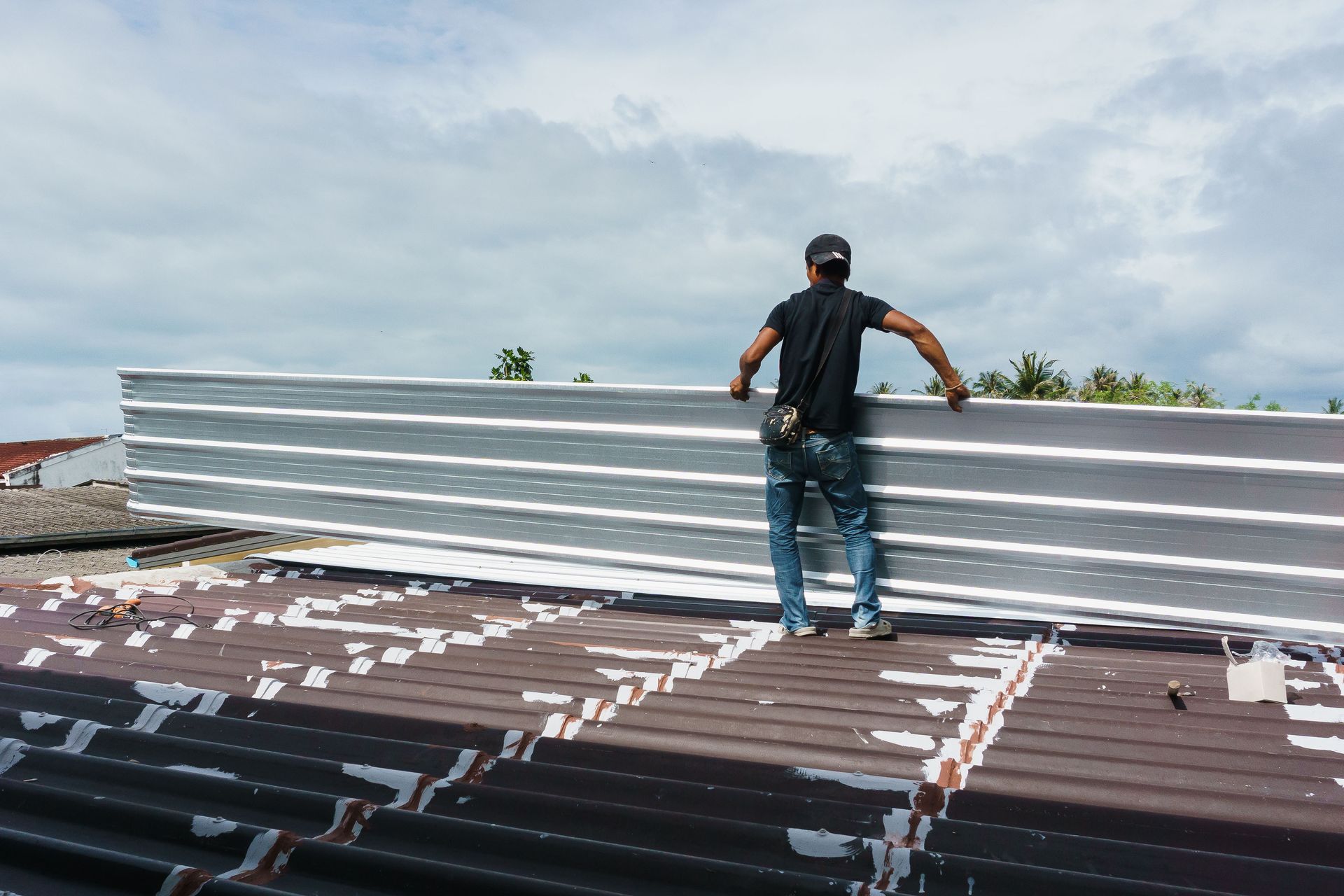
Replacing an aged or damaged roof with new materials improves insulation and helps maintain consistent indoor temperatures. Over time, this contributes to energy savings and enhances home comfort, while also supporting long-term property value. Properly maintained roofs help regulate interior temperatures and provide better protection against seasonal changes. Attention to ventilation and insulation under the roofing material further supports energy performance, allowing homeowners to enjoy a more stable and comfortable environment throughout the year.
5. The Consequences of Structural Issues
Structural concerns, such as sagging supports or weakened roof decking, indicate the roof is no longer providing adequate protection. Prolonged exposure to moisture, storm damage, or general wear can compromise the framework. Regular inspections help detect these problems early, allowing for timely roof replacement before more serious damage occurs.
Wood rot, buckling boards, and ridge problems are indicators that a roof is failing structurally. Prompt attention from a qualified roofing professional ensures your home remains safe and prevents the need for more extensive repairs in the future. Structural issues may develop gradually and can sometimes go unnoticed until more obvious signs appear. Checking attics, eaves, and visible roofing lines can help detect subtle changes in roof structure. Early awareness allows homeowners to plan for roof replacement thoughtfully, reducing stress and unexpected expenses.
6. The Effects of Storm Damage on Roof Integrity
Storms can quickly damage roofs, dislodging shingles, causing leaks, or weakening structural elements. After a storm, it is important to inspect your roof for missing or damaged shingles, leaks, or other signs of compromised integrity. Timely roof replacement or repairs help prevent additional deterioration and maintain the roof's protective function.
Even if damage is not immediately apparent, latent issues can develop over time. Quick inspection and response preserve the roof's performance and reduce the risk of more extensive repairs later. Storms can also leave subtle marks, such as minor granule loss, small punctures, or weakened flashing that may not be visible from the ground. Observing the roof after each significant weather event and documenting any changes can help homeowners identify areas that need attention. Consistent monitoring ensures that potential issues are addressed before they become larger, more costly problems.
Regular roof inspections and timely roof replacement play a vital role in keeping our homes secure and energy-efficient. Signs such as visible damage, age-related wear, leaks, structural concerns, and storm impacts can indicate that it is time to take action. Homeowners seeking professional guidance can learn more about the comprehensive residential roofing solutions offered by RVA Roofing Services, including inspections, repair, and roof replacement, to help maintain the long-term integrity of their roof. By addressing potential issues early, homeowners can avoid more extensive damage and ensure their home remains comfortable and protected. Investing in a properly maintained roof also supports the overall value and longevity of the property, making proactive roof care an important part of homeownership.