March 25, 2026
Roof inspections are crucial in maintaining the safety and longevity of a home. Regular inspections by a trusted roofing company not only help identify potential threats but also extend the life of your roof. They are more than a cursory glance; these inspections include thoroughly evaluating various elements that contribute to a roof's health.
Homeowners should consider hiring a reliable roofing company to make regular inspections part of their home's maintenance routine. According to Openly, various roofing materials offering lifespans ranging from 15 to 100 years, consistent inspections can maximize their lifespans. From asphalt shingles with a lifespan of up to 30 years, 40 years for wood, 70 years for metal, to tile and slate roofing lasting a century, understanding your roof's current condition is vital.
Understanding the Purpose of a Roofing Inspection
Identifying Existing Damage
One of the primary purposes of a roofing inspection is to identify existing damage that may not be visible to the untrained eye. Professional inspectors will meticulously check for cracked, missing, or broken shingles and note any areas requiring immediate attention. Early detection is key to preventing more extensive damage, which can lead to costly repairs.
Inspectors are skilled at identifying the subtle indicators of damage, such as staining on your ceiling indicating leaks, or the granules from asphalt shingles collecting in gutters. By addressing these issues promptly, homeowners can avoid further deterioration. Ultimately, identifying damage at this stage can save homeowners from more invasive and expensive repairs in the future.
This proactive approach extends the life of your roof, keeping it durable for many years to come. With material with varying lifespans ranging, ensuring your roof's integrity is in order can protect these timelines. Awareness of damage, early assurance, and timely actions contribute significantly to maximizing the functional lifespan of your roof materials.
Evaluating Roof Longevity
Assessing the longevity of your roof is another critical component of an inspection. Different roofs have varying lifespans, and understanding how much life remains can guide maintenance and replacement decisions. Inspectors will examine a roof's wear and tear to provide homeowners with an accurate estimation of its remaining years.
By understanding how long a roof is likely to last, homeowners can plan financially for future repairs or replacements, mitigating emergency costs. Therefore, a roofing inspection works not only as an evaluator of present conditions but also as a forecasting tool for what's to come.
Ensuring Safety and Compliance
Safety and compliance are essential facets of any home inspection, with roofing being no exception. A roofing structure must meet safety standards to protect inhabitants and comply with local building codes. During inspections, experts ensure these criteria are met, as safety violations can pose severe risks and legal repercussions.
Inspectors assess structural integrity, load-carrying capacity, and the impact of environmental exposure. They look for issues such as loose tiles that could become airborne hazards or improper drainage that might lead to water pooling and leakage. Compliance with safety standards helps to prevent accidents and extend the life of the roof.
Moreover, aligned and compliant roofs are less likely to fail under pressure from severe weather or environmental changes. Regular inspections ensure that the structure remains sound, with compliance evidence valuable for any necessary interactions with local authorities or insurers. It’s an investment in the security and legality of your home.
Initial Consultation and Pre-Inspection Preparation
Scheduling the Inspection
Scheduling the inspection involves selecting a qualified roofing company with a proven track record of thoroughness and reliability. When setting up an appointment, homeowners should ask relevant questions such as the inspector's qualifications and the inspection's scope. Establishing clear expectations up front can enhance the inspection's efficiency and effectiveness.
It’s important to choose a favorable time and date that allows for a comprehensive assessment under optimal conditions. Weather can also play a role; most inspections occur best during dry periods to allow for accurate assessments without interference. A well-scheduled inspection facilitates a smoother process with fewer disruptions.
Understanding Inspection Costs
Understanding the potential costs involved in a roofing inspection is essential for planning and budgeting. Inspection costs vary depending on factors such as the home's location, roof size, and the chosen roofing company’s expertise. It's beneficial for homeowners to request itemized estimates from prospective inspectors to avoid surprises.
While some inspections might be free or included in maintenance packages, others could have considerable pricing based on complexity. Transparency around costs can prevent misunderstandings and ensure the inspection aligns with budget expectations. It's important to consider that the cost of inspection is typically worth the investment for future savings.
Preparing Your Property
Preparing your property before the inspection by your roofing company is vital for ensuring a smooth process. Homeowners can begin by clearing access points, which makes it easier for inspectors to move around the property unobstructed. This includes clearing driveways, trimming trees, and removing any items stored close to the house’s exterior.
Securing pets during this time prevents accidents and distractions while allowing inspectors to perform their work effectively. Additionally, homeowners might consider tidying attics and other spaces inspectors will access to check for internal roof issues. Tidy spaces allow inspectors to work efficiently without navigating through clutter.
Exterior Roof Inspection Process
Inspecting Roofing Materials
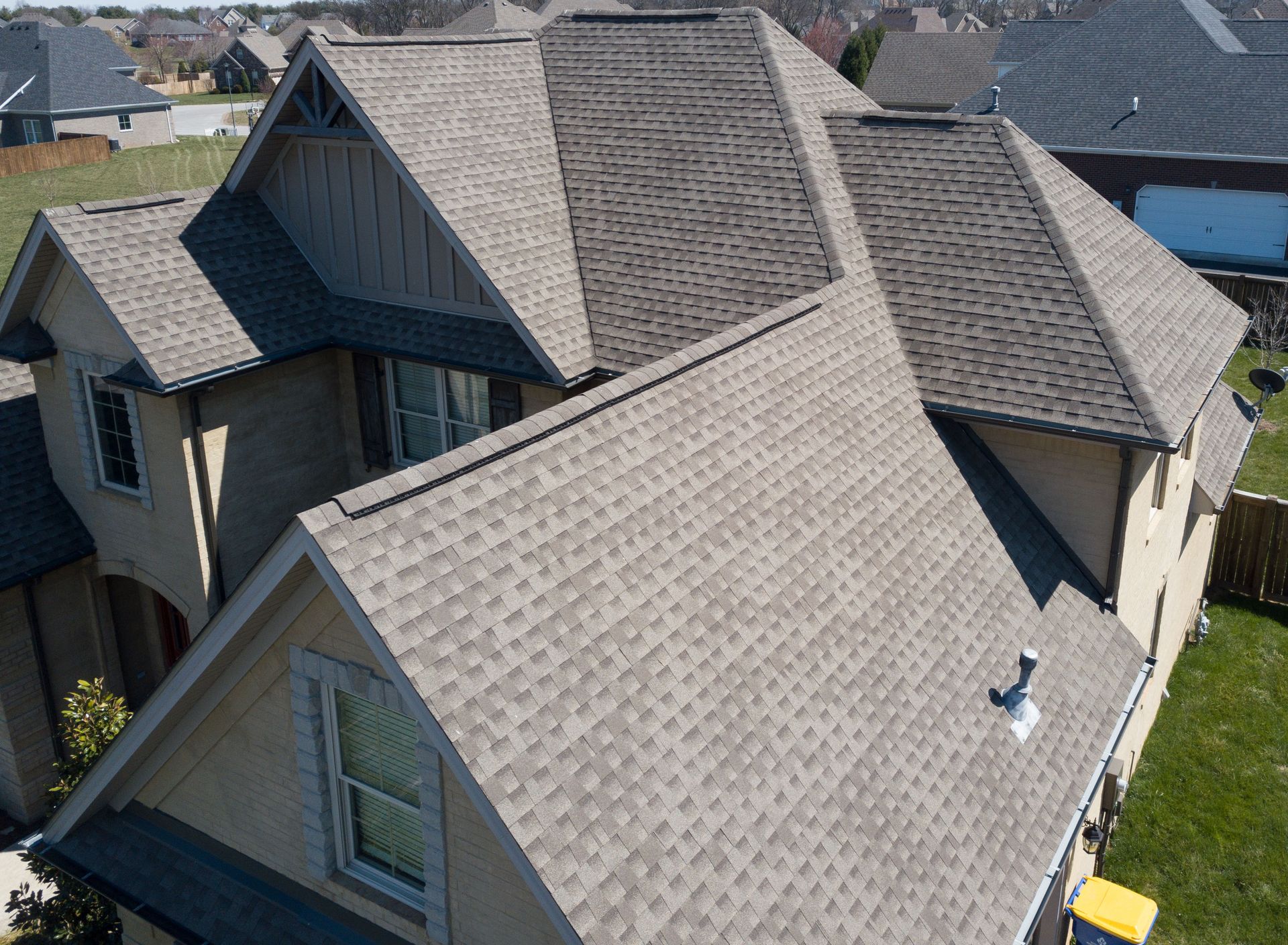
A professional roofing company will evaluate the exterior inspection by examining the roofing materials for signs of wear and damage. Whether your roof is composed of asphalt shingles, metal, or tiles, each material has distinct signs of aging and damage. This may include checking for cracks, splits, warps, or any indication that the roofing material is nearing the end of its life span.
Evaluation includes checking for loose or missing materials, ensuring robustness against weather conditions. For example, moss growth in shingles or rust on metal roofs can indicate underlying moisture issues. These observations help in understanding the need for immediate repairs or planning for future replacements to align with material longevity.
Checking Flashing and Seals
Flashings and seals are crucial in preventing water intrusion, and inspectors prioritize checking these areas. They review the integrity of flashings around roof penetrations, such as chimneys and vent pipes, ensuring they are secure and leak-free. A compromised seal can lead to water damage, which significantly affects the roof’s structure and indoor areas.
During the inspection, the inspector examines sealants for deterioration and reapplication needs. They check joints, seams, and changes in roof planes where potential leaks might occur. Flashing repairs or replacements are often part of the recommendations for ensuring a watertight and secure roofing system.
Gutter and Drainage Assessment
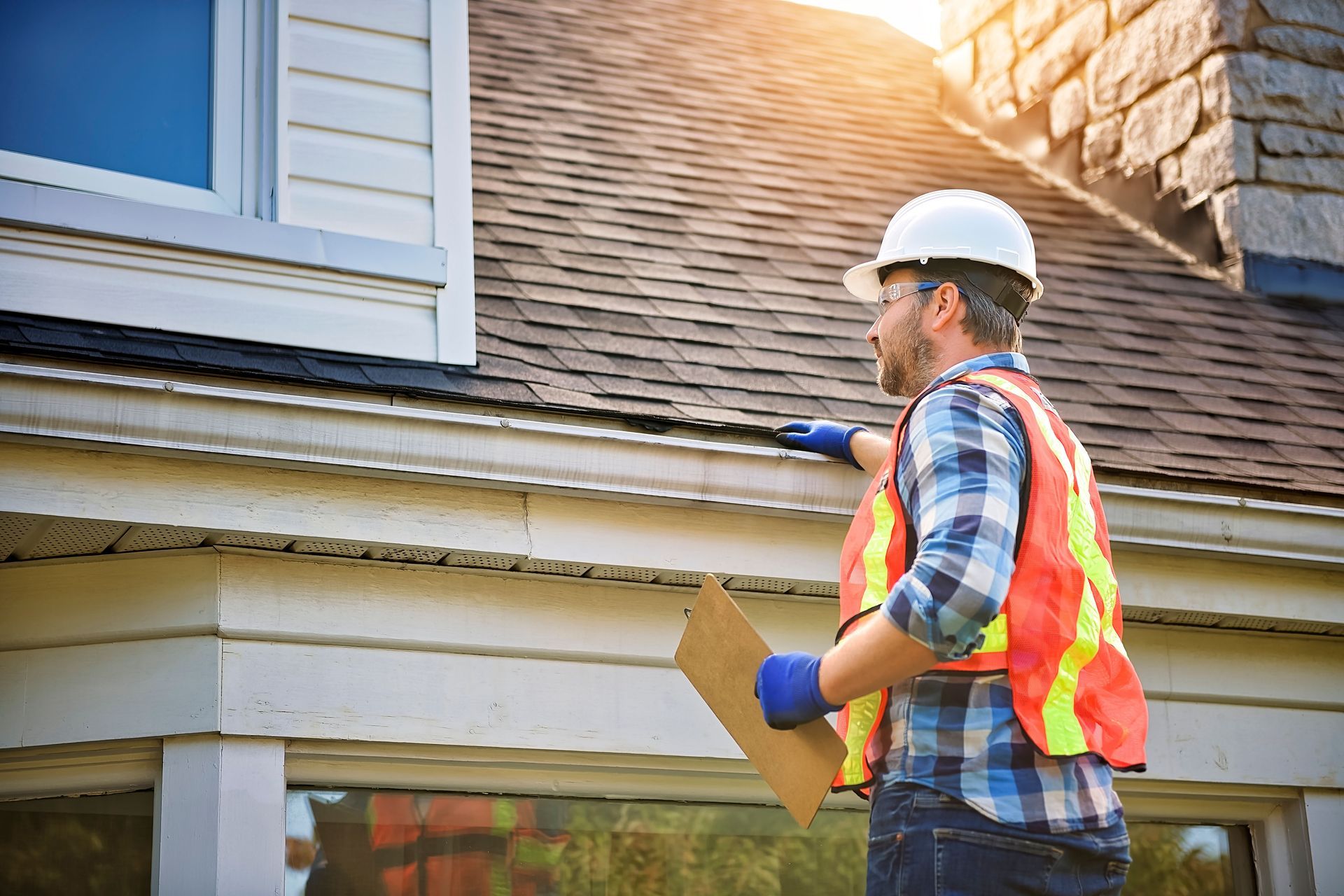
Proper gutter and drainage systems are integral parts of a roof's performance, effectively directing water away from the home’s foundation. Inspectors assess the condition of gutters and downspouts, ensuring they are free from blockages and positioned correctly for optimal water diversion.
This inspection segment includes checking for rust, sagging, or sections that may be prone to clogging from debris. A functional drainage system removes water efficiently, preventing roof deck saturation and reducing potential water damage. Regular maintenance of gutters ensures the longevity and health of both the roof and the home's structural integrity.
Roof inspections are vital for maintaining a safe, durable, and long-lasting home. By working with a trusted roofing company to identify hidden damage, assess material longevity, and ensure safety compliance, inspections give homeowners a clear picture of their roof’s condition. Proper preparation, scheduling, and understanding costs make the process an effective investment.
Regular inspections prevent costly repairs and help plan for future maintenance, extending the lifespan of shingles, metal, tile, or slate roofs. A proactive approach safeguards both property value and personal safety, making inspections a key part of responsible homeownership.
Protect your home and extend your roof’s lifespan. Schedule a professional inspection with RVA Roofing Services today!