November 4, 2026
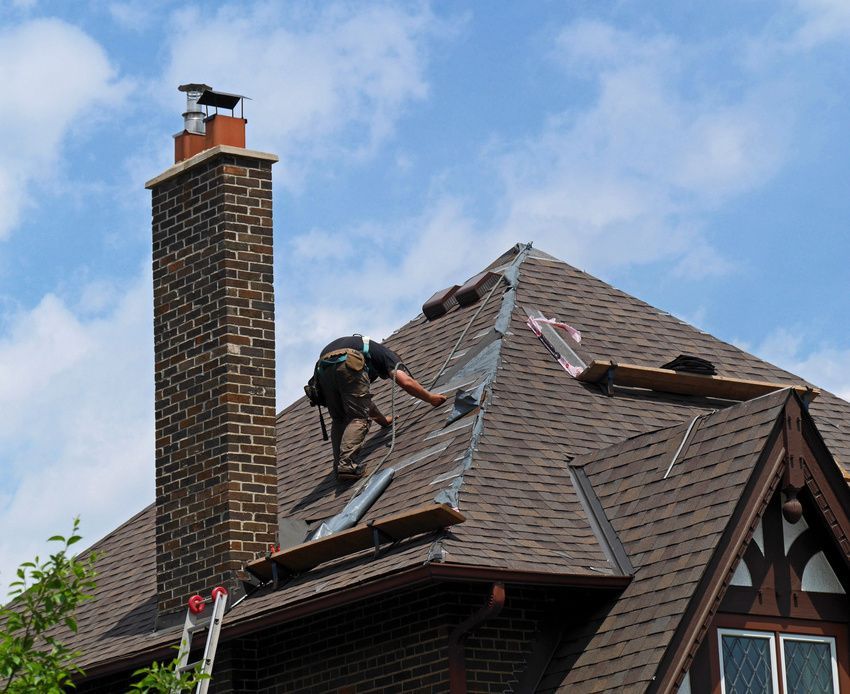
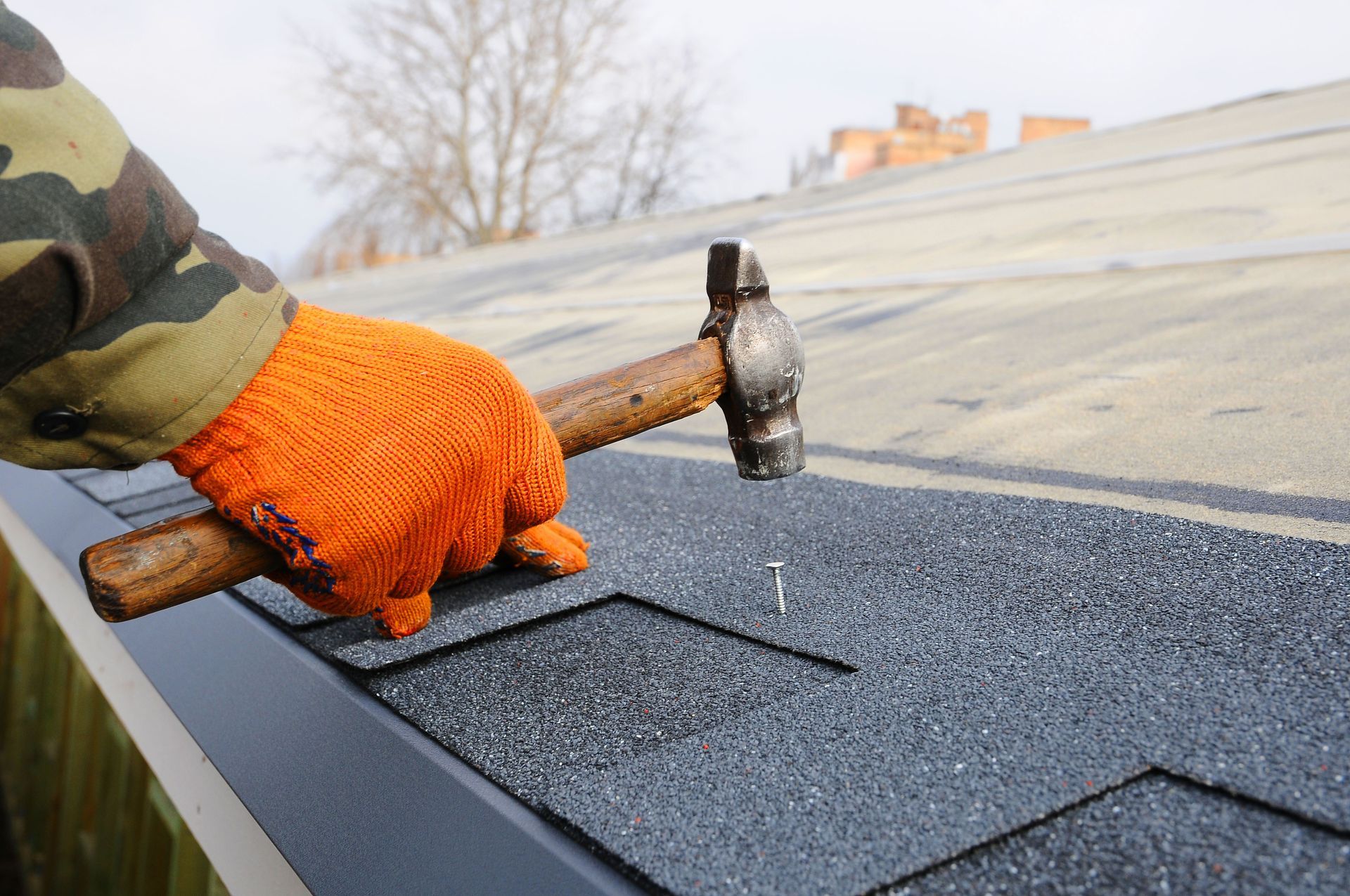
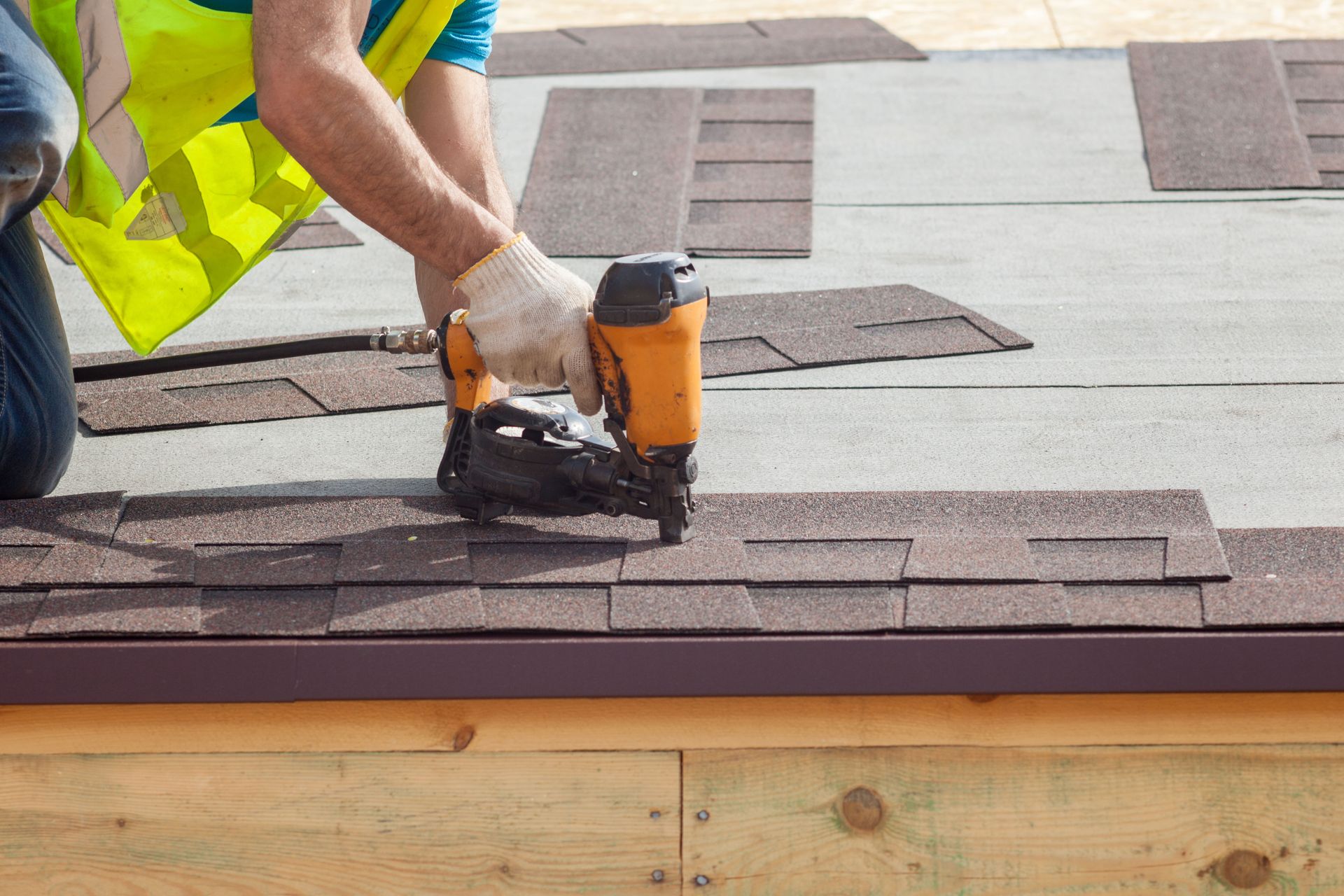
A roof protects a home from weather while directing water away from the structure and foundation. When roofing materials deteriorate or drainage components fail, leaks and moisture damage may develop. In Virginia, seasonal rainfall, summer storms, and winter freezes can strain these systems. Roof replacement services provide an opportunity to address aging materials, evaluate drainage performance, and prepare the home for changing weather conditions.
How Roofing Materials Protect Homes From Weather
Roofing materials create the primary barrier between a home and the elements. Shingles, underlayment, flashing, and other components work together to prevent water from reaching the roof deck and interior spaces. When these materials remain in good condition, they help manage rainfall, resist wind exposure, and protect the structure from moisture intrusion.
Over time, however, roofing materials can become worn. Asphalt shingles may lose granules, curl, crack, or become brittle. Strong winds can loosen shingles, while prolonged moisture exposure may contribute to deterioration around roof penetrations. Damaged flashing near chimneys, vents, skylights, and valleys can also create pathways for water to enter.
Virginia's varied weather makes regular attention to roof condition particularly valuable. Heavy rainfall can reveal weaknesses that remain unnoticed during dry periods, while repeated temperature changes can place stress on aging materials. A roof that has reached the end of its useful life may no longer provide consistent protection, even when damage appears limited to a few visible areas.
Replacing an aging roof provides an opportunity to address widespread material deterioration instead of repeatedly responding to individual failures. A professional assessment can help determine whether localized repairs remain appropriate or whether replacement is a more practical way to restore dependable coverage.
How Roof Design Influences Water Movement
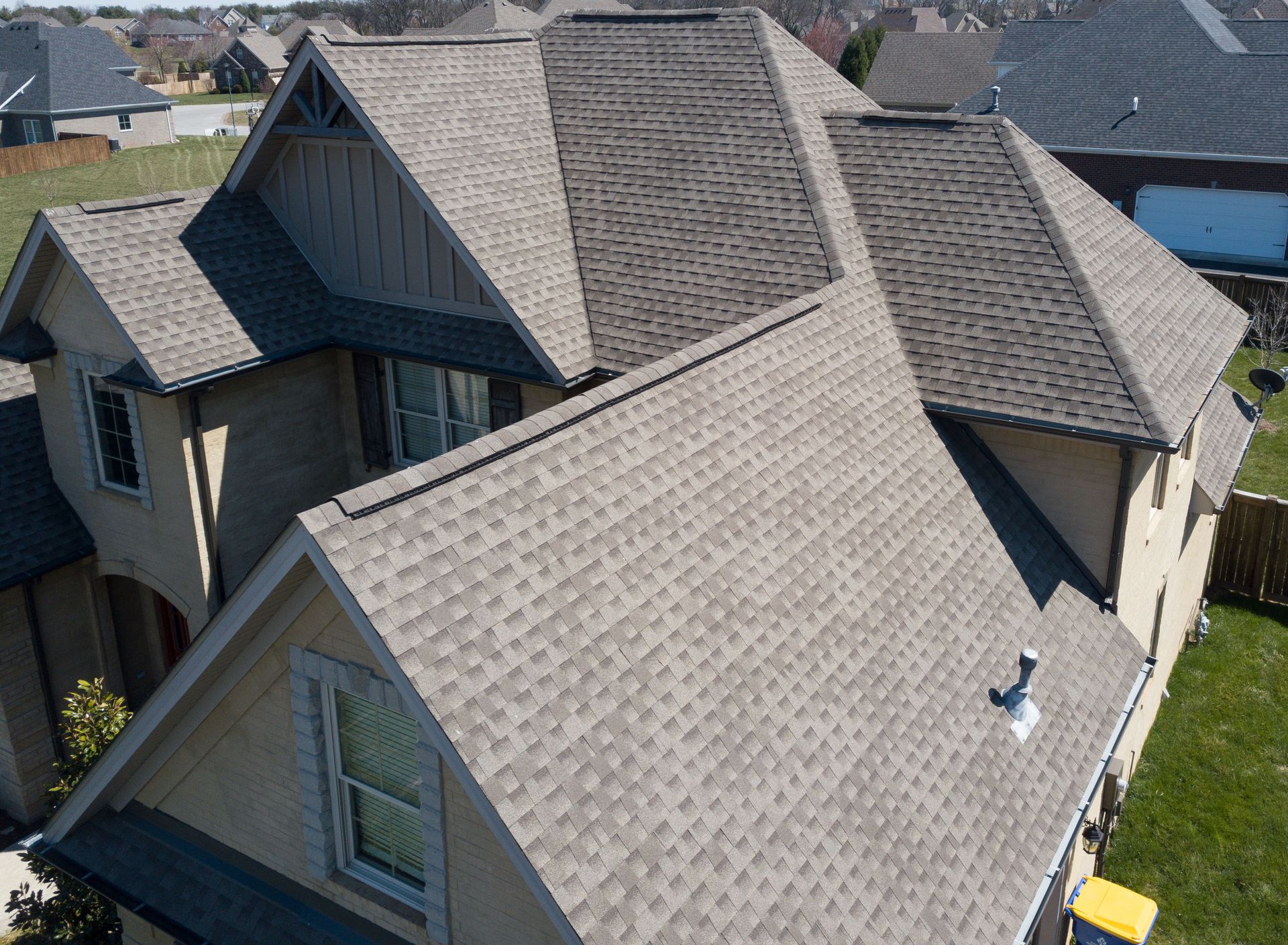
A roof’s slope, valleys, edges, and flashing determine how efficiently rainwater reaches gutters and drainage points. During roof replacement services, contractors assess these features to identify potential problems. Properly installed components help prevent water from collecting near seams, entering beneath roofing materials, or flowing toward the home's foundation.
During a replacement, contractors can evaluate whether the roof's existing configuration supports effective drainage. The assessment may identify damaged decking, deteriorated flashing, poorly directed runoff, or details that need attention as new materials are installed. Any proposed changes should account for the home's structure, applicable building requirements, and the way water moves across the property.
A well-planned roof replacement considers the entire roofing assembly rather than focusing exclusively on the visible surface. This approach helps ensure that the new materials and supporting components work together to protect the home.
How Gutters and Downspouts Control Roof Runoff
Gutters and downspouts are essential parts of a home's drainage system. Gutters collect rainwater as it leaves the roof, and downspouts carry that water toward suitable discharge points. When the system works properly, it helps limit runoff near exterior walls, reduces soil erosion around the home, and directs water away from the foundation.
According to The Spruce, downspouts should be positioned at intervals of no more than about 35 feet along the roof to help carry rainwater down and away from a home's foundation. The appropriate layout still depends on roof design, gutter capacity, and how water can be safely discharged around the property.
During roof replacement services, contractors can assess gutter placement, corrosion, sagging, and disconnected downspouts that may affect drainage. Evaluating how gutters connect to the roofline helps identify water collection problems. Coordinating necessary gutter repairs or replacement with roofing work can improve runoff management and reduce future disruptions.
How Roof Replacement Addresses Flashing and Drainage Problems
Flashing provides a protective barrier at roof transitions and openings where water could otherwise enter. It is commonly installed around chimneys, plumbing vents, skylights, wall intersections, and valleys. Because these areas interrupt the main roofing surface, they require careful detailing to manage water effectively.
Damaged flashing can allow water beneath shingles, damaging roof decking, insulation, ceilings, and walls. During roof replacement services, contractors can inspect flashing, underlayment, and decking for deterioration. Replacing damaged components and properly sealing roof penetrations helps manage water flow, reduce leak risks, and support long-term roof performance.
These details matter because effective drainage depends on keeping water moving across the roof and into the intended collection system. Even high-quality shingles cannot compensate for improperly managed transitions or unresolved structural damage. Well-coordinated roof replacement services account for these supporting components as well as the primary roofing material.
How Attic Ventilation Supports Roof Performance
Ventilation and drainage serve different purposes, but both contribute to a roof's long-term performance. Drainage moves liquid water away from the roof, while attic ventilation helps manage heat and moisture within the attic space. When ventilation is inadequate, excess moisture may contribute to condensation, damp insulation, and deterioration of roof components.
Virginia's humid summers and colder winter periods can create changing conditions inside attics. Warm, moisture-laden indoor air may enter an inadequately sealed attic, where it can condense on cooler surfaces. In winter, uneven roof temperatures may also contribute to ice formation near eaves under suitable weather conditions.
During roof replacement services, contractors can assess attic ventilation, inspect intake and exhaust vents, and identify blocked airflow or moisture damage. Any recommended improvements should suit the home's roof design and applicable building requirements.
Addressing ventilation concerns during replacement helps new roofing materials perform effectively while supporting attic moisture management. Identifying existing problems early can also reduce the risk of condensation-related damage and help protect the roof's long-term condition.
How Seasonal Weather Affects Roofing and Drainage
Virginia experiences a range of weather conditions that can challenge roofing and drainage systems. Spring rain can expose leaks and overflowing gutters, while summer thunderstorms may bring strong winds and sudden downpours. Autumn leaves can accumulate in gutters, and winter freezes may intensify existing drainage problems.
When gutters become obstructed, water can overflow along the roof edge instead of traveling through downspouts. Persistent overflow may contribute to fascia deterioration, staining, erosion, and moisture near the foundation. Water that remains around vulnerable roof details can also increase the likelihood of leaks when flashing or roofing materials are already compromised.
Planning roof replacement services before widespread damage develops can help homeowners prepare for seasonal weather. Timing depends on roof condition, contractor availability, and project scope. A professional inspection can determine whether replacement or targeted repairs are appropriate.
Homeowners should also ensure downspouts direct water away from the foundation. Poor grading or underground drainage issues may require separate evaluation because roofing improvements alone cannot resolve every property drainage concern.
How Professional Planning Coordinates Roofing and Drainage
Roofing and drainage decisions are most effective when they are considered together from the beginning. A contractor can review the roof's age, visible damage, slope, flashing, gutter connections, and other relevant features before recommending a course of action.
This assessment helps clarify which components need replacement, which may remain serviceable, and whether additional repairs should be coordinated with the roofing work.
Clear planning helps homeowners understand roofing materials, underlying repairs, and whether gutter or drainage work is included. Quality roof replacement services should address the home's specific dimensions, drainage capacity, and weather exposure while meeting applicable building codes.
After installation, routine inspections, gutter cleaning, and downspout checks remain important. Coordinating roofing and drainage improvements helps Virginia homeowners protect their properties, manage runoff, and identify potential concerns before they lead to more extensive damage.
For homeowners considering an upgrade, RVA Roofing Services can help assess roofing needs and discuss options for protecting a home against Virginia's changing weather. Contact RVA Roofing Services to schedule an assessment and take the next step toward a roof and drainage system designed to work together.