July 23, 2026
Choosing the right roofing material is one of the most important decisions any property owner can make. A roof does far more than complete the appearance of a home. It provides protection from changing weather, contributes to energy efficiency, influences long-term maintenance needs, and affects the overall value of the property. Because every material offers different advantages, understanding the available options can make the selection process much easier.
Working with a roofing company helps property owners evaluate the strengths of each material while considering factors such as local climate, architectural style, durability, and long-term performance. Rather than focusing on appearance alone, it is important to understand how each roofing system performs throughout its lifespan and what level of care it requires over time.
Understanding Asphalt Shingles
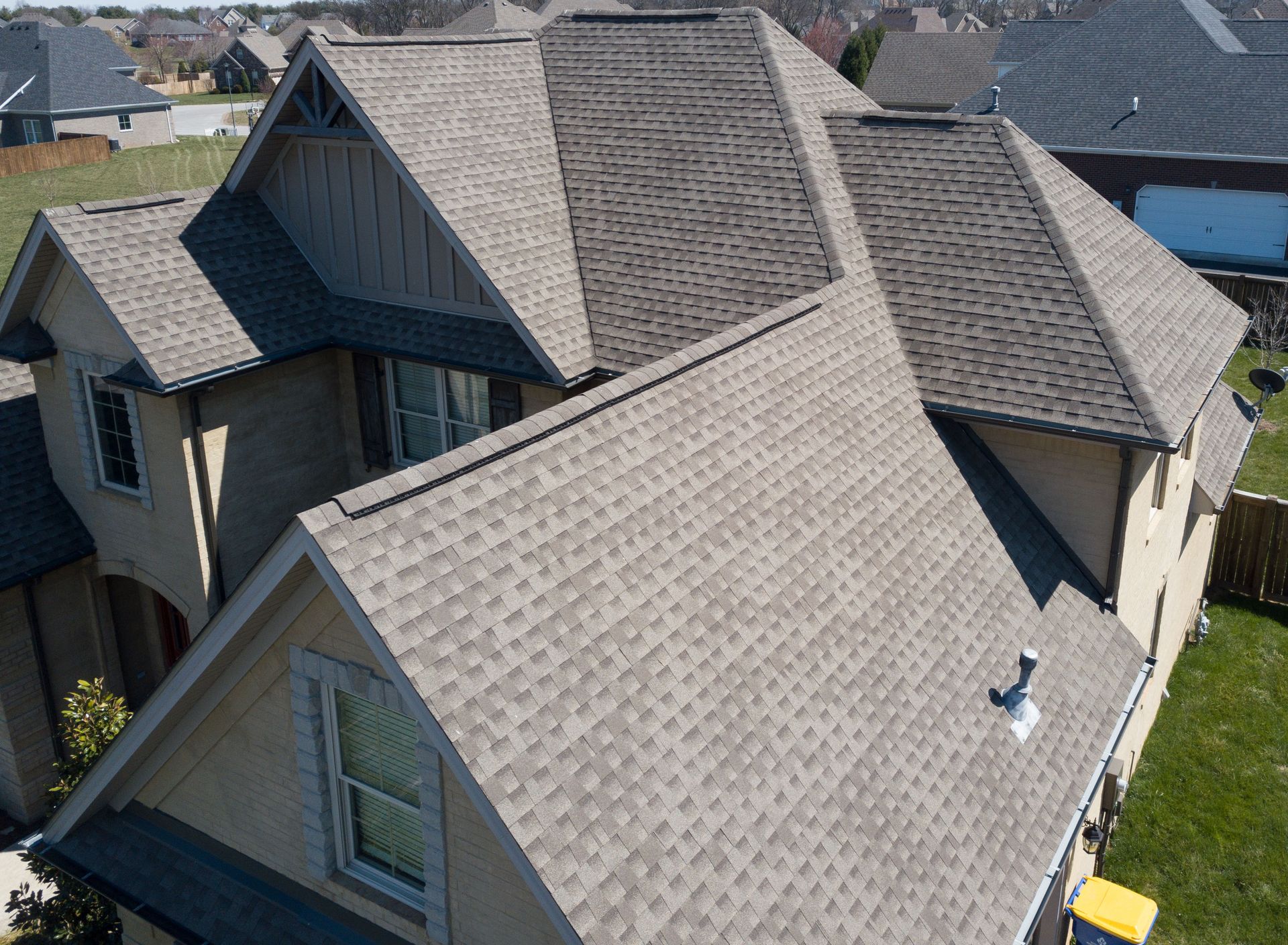
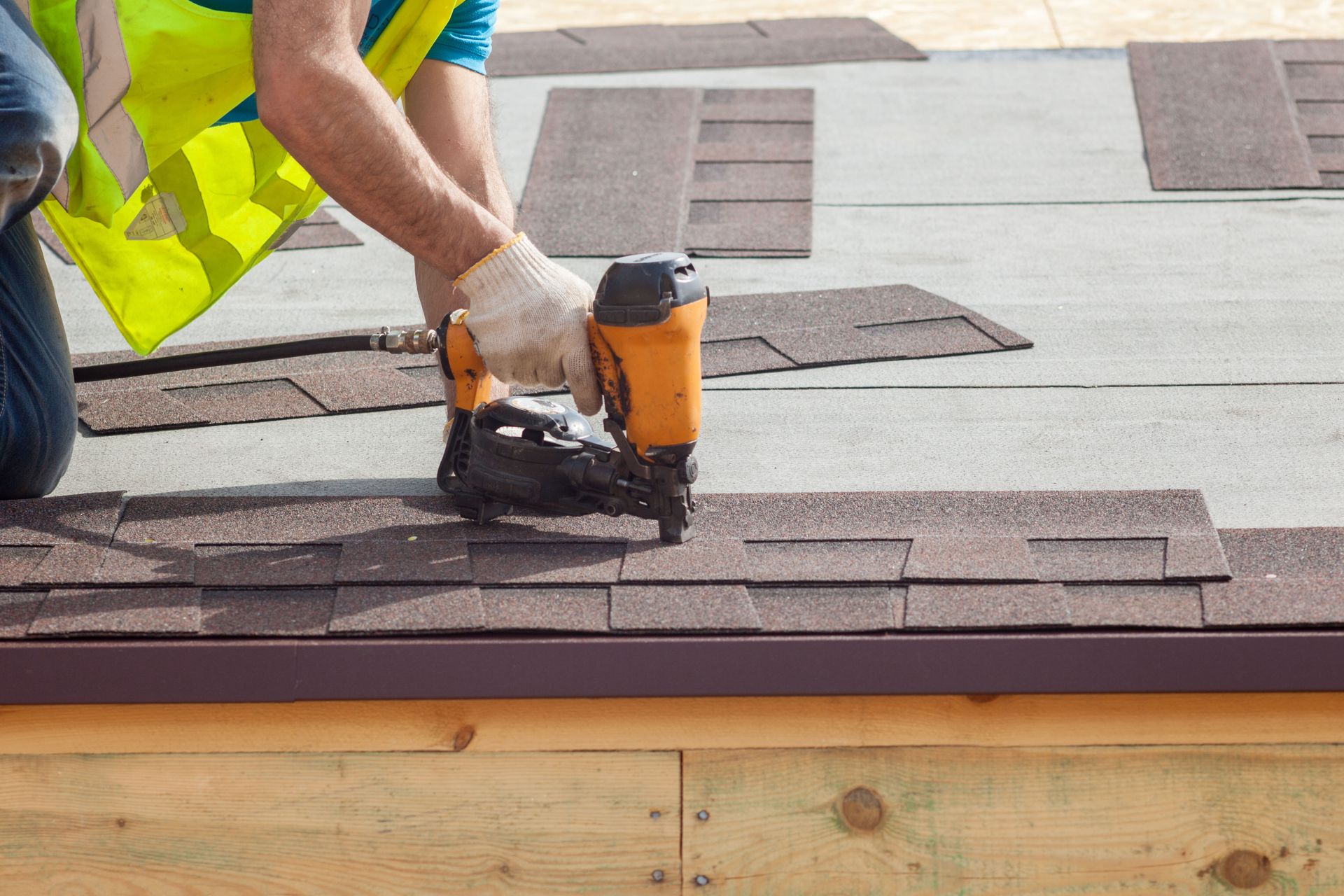
Asphalt shingles remain one of the most widely recognized roofing materials because they offer a balanced combination of affordability, versatility, and dependable performance. They complement a broad range of architectural styles and are available in many colors and textures, making them suitable for both traditional and modern homes.
Many homeowners appreciate asphalt shingles because they provide reliable protection while remaining relatively straightforward to maintain. Modern manufacturing techniques have also improved their resistance to weather exposure, helping them perform well under a variety of environmental conditions.
A knowledgeable roofing company can explain the differences between available shingle styles and recommend products that align with the property’s design goals and performance expectations. Professional guidance helps ensure the selected materials match both aesthetic preferences and practical needs.
Understanding Metal Roofing
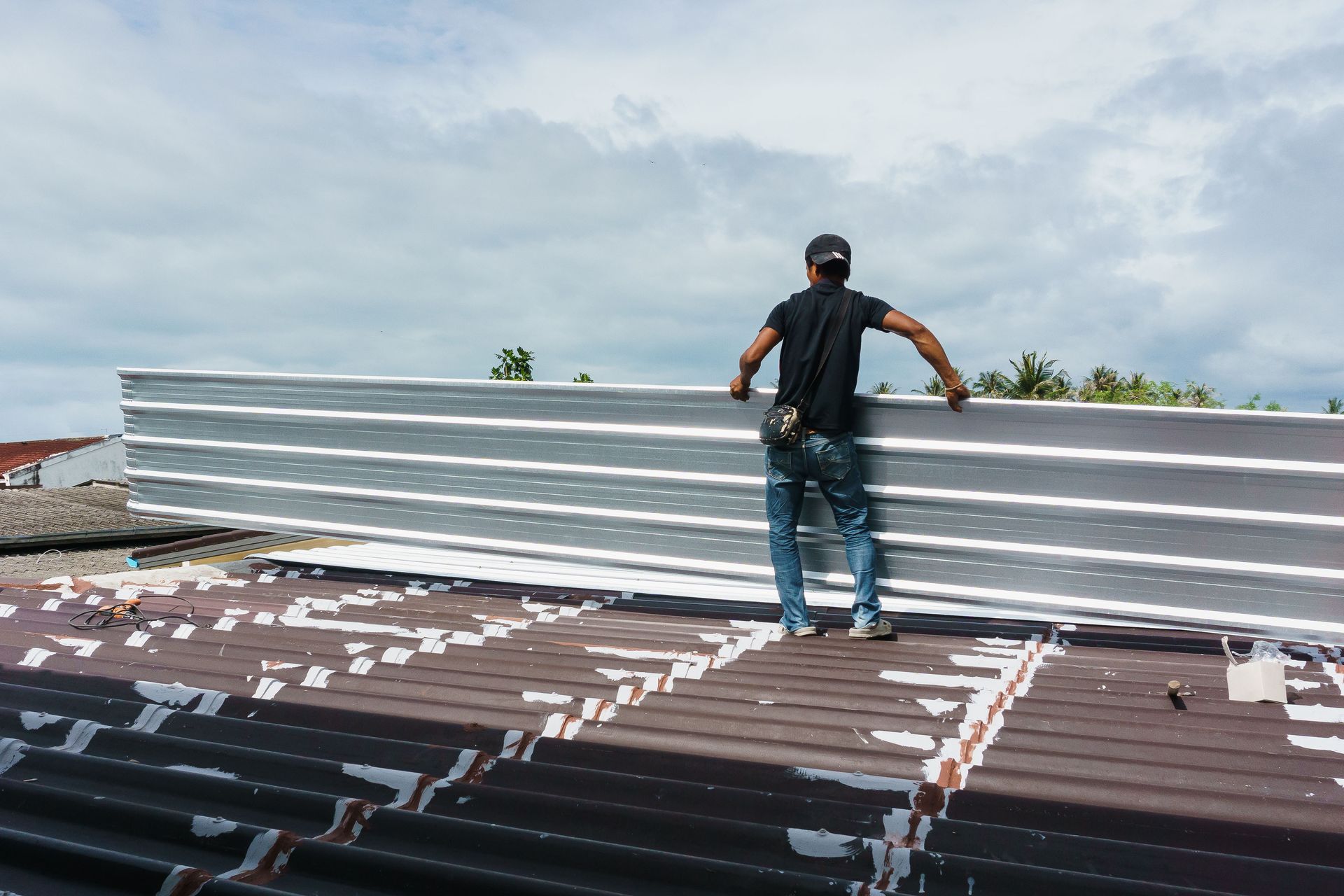
Metal roofing has become an increasingly attractive choice for homeowners seeking exceptional durability and long-term value. Modern metal roofing systems are available in several attractive profiles that can complement many architectural designs while offering outstanding protection against severe weather.
Many property owners also appreciate the energy efficiency associated with metal roofing. Reflective surfaces can help reduce heat absorption, which may contribute to improved indoor comfort during warmer seasons. Metal roofing is also recognized for its longevity and resistance to many common roofing issues.
Industry trends continue to reflect growing interest in this material. According to Gitnux, metal roofing represented 11% of residential reroofing projects in 2023, demonstrating its expanding popularity among homeowners seeking long-lasting roofing solutions.
A trusted roofing company can help determine whether metal roofing is an appropriate choice by evaluating structural requirements, climate conditions, and the desired appearance of the home.
Understanding Clay and Concrete Tile
Clay and concrete tiles are often associated with timeless beauty and impressive durability. Their distinctive appearance makes them especially popular for Mediterranean, Spanish, and Southwestern architectural styles, although they can complement many other designs as well.
These materials perform particularly well in areas exposed to strong sunlight because they naturally resist heat while maintaining their appearance for many years. Their durability also makes them attractive for homeowners planning to remain in their homes for an extended period.
Because tile roofing is considerably heavier than many other roofing materials, structural considerations become especially important during the planning process. A qualified roofing company evaluates whether the existing structure can properly support the selected roofing system before installation begins, helping ensure lasting performance and safety.
Understanding Wood Roofing
Wood roofing offers natural character that is difficult to duplicate with other materials. Whether crafted from cedar or another suitable wood species, these roofs create a warm, distinctive appearance that blends beautifully with many architectural styles and natural surroundings.
Beyond aesthetics, wood roofing provides natural insulation that may contribute to improved indoor comfort throughout changing seasons. Many homeowners appreciate the unique texture and visual depth that develops as the material matures over time.
However, wood roofing also requires consistent maintenance to preserve its appearance and performance. Moisture management, routine inspections, and appropriate treatments all contribute to extending the life of the roof.
An experienced roofing company can explain both the benefits and maintenance responsibilities associated with wood roofing, allowing property owners to make informed decisions before selecting this classic material.
Understanding Slate Roofing
Slate roofing has earned a reputation as one of the most elegant and durable roofing materials available. Its natural stone appearance creates exceptional curb appeal while offering remarkable resistance to weather, moisture, and many forms of environmental wear.
One of slate’s greatest advantages is its longevity. When properly installed and maintained, slate roofing can provide dependable protection for generations. Its timeless appearance also adds sophistication and distinction to many homes.
Because slate is a natural stone product, every piece offers subtle variations in texture and color that create a unique finished appearance. This individuality contributes to the premium character that many homeowners appreciate.
A professional roofing company understands the specialized requirements associated with slate roofing and helps determine whether it represents the best balance of beauty, performance, and long-term value for a particular property.
Understanding Synthetic Roofing
Synthetic roofing materials have become increasingly popular because they combine attractive appearances with modern engineering. Many products are designed to replicate the look of slate, wood, or tile while offering reduced weight and improved impact resistance.
These materials appeal to homeowners who appreciate the visual appeal of traditional roofing styles but also want lower maintenance requirements. Many synthetic products are engineered to withstand challenging weather conditions while maintaining consistent performance throughout their service life.
Another advantage is versatility. Synthetic roofing is available in numerous styles, colors, and profiles, making it easier to complement a wide variety of home designs without sacrificing durability.
A reliable roofing company can explain the available synthetic options and recommend products that deliver the desired appearance while meeting practical performance expectations.
Understanding Climate and Performance
Selecting roofing materials involves much more than choosing a style that looks attractive. Local weather conditions play a significant role in determining how well a roof performs throughout its lifespan. Wind, rain, sunlight, humidity, and seasonal temperature changes all influence how different materials age over time.
Some roofing systems perform exceptionally well in warm climates because they reflect heat effectively, while others are better suited for areas experiencing significant moisture or frequent storms. Understanding these environmental influences allows property owners to make decisions that support long-term durability and dependable protection.
Maintenance expectations should also be considered during material selection. Every roofing system benefits from periodic inspections and routine care, but some materials require more attention than others. Evaluating maintenance commitments alongside appearance and durability creates a more balanced decision that aligns with long-term ownership goals.
Understanding Long-Term Value
A roof represents a significant investment, making long-term value just as important as initial appearance. While some materials may require a larger upfront investment, they often deliver greater durability, improved weather resistance, and reduced maintenance throughout their service life.
Property owners should also consider how roofing materials influence curb appeal and overall property presentation. A thoughtfully selected roof enhances architectural character while creating a cohesive exterior that complements the entire home.
Long-term satisfaction often comes from choosing materials that balance aesthetics, durability, maintenance requirements, and environmental performance rather than focusing on any single factor alone. Careful planning allows homeowners to select roofing systems that continue delivering reliable protection while maintaining their appearance for many years.
Every roofing material offers a unique combination of advantages, making it important to evaluate performance, appearance, maintenance expectations, and long-term value before making a decision. Whether a homeowner prefers the versatility of asphalt shingles, the durability of metal, the timeless elegance of slate, the natural beauty of wood, the character of tile, or the innovation of synthetic products, understanding each option leads to more confident choices.
When you are ready to explore the best roofing solution for your property, we invite you to contact RVA Roofing Services. Our experienced team will guide you through every available option, answer your questions, and help you select materials that provide dependable protection, lasting value, and an attractive finished appearance for years to come.