May 28, 2026
Asphalt roofing is one of the most widely used options in residential and commercial construction due to its balance of affordability, versatility, and performance. Many property owners and residential roofers select this material for both new installations and replacement projects because it delivers consistent protection across a wide range of building styles. Its widespread use reflects its adaptability in both small-scale and large-scale roofing applications.
Understanding the long-term value of asphalt roofing helps property owners make informed decisions about maintenance, upgrades, exterior improvements, and more. This detailed article explores how asphalt roofs are constructed, how they perform, and why they remain a common choice for roofing projects. It also highlights how residential roofers approach installation and maintenance considerations for these systems.
Efficient Roof Systems
Asphalt shingles are typically made from a fiberglass base mat that is coated with asphalt to provide water resistance. Residential roofers often work with these materials because they are adaptable to a wide range of roof structures and project types. The surface is finished with mineral granules that help protect against sunlight exposure and contribute to the roof's appearance, making them a practical solution for many property owners.
This layered structure makes asphalt shingles lightweight, durable, and suitable for many residential and commercial roofing systems. Their design allows them to be installed efficiently while still providing dependable protection against the elements. Residential roofers frequently rely on these characteristics when completing both repair and replacement work, especially in varied climate conditions.
There are several types of asphalt shingles available, each offering different visual styles and performance characteristics. Residential roofers often recommend three-tab shingles for cost-conscious projects, while architectural shingles are commonly selected for improved dimensional appearance. Premium shingles are typically used when durability and enhanced design are both priorities for property owners.
Compared to other roofing materials such as metal, wood, or tile, asphalt shingles are widely selected for their balance of affordability and ease of installation. Residential roofers often note that asphalt systems allow for efficient project completion without sacrificing performance. This balance makes them a consistent option for a wide range of roofing needs across residential and commercial properties.
Asphalt roofing materials have evolved over time, with many modern shingles incorporating recycled content. Residential roofers may encounter these updated materials during replacement or renovation projects, particularly in areas where sustainability practices are emphasized. Some materials can also be recycled at the end of their service life, which helps reduce waste associated with roof replacement projects.
Practical Roofing Services
Asphalt roofing is commonly used in both new construction and roof replacement projects due to its straightforward installation process. Residential roofers frequently choose this material because it allows for efficient project timelines and broad compatibility with different roof structures. The materials are widely available, making them a practical option for many property types.
According to This Old House, around 79% of homeowners seeking roof service in 2025 hired professional roofing contractors. This reflects a strong preference for working with experienced professionals when it comes to roofing projects. Many homeowners prioritize proper installation and long-term performance when selecting a contractor. It also highlights the importance of working with skilled residential roofers for both repairs and full roof replacements.
Asphalt roofs can contribute to long-term property value by improving exterior appearance and providing consistent protection against weather conditions. Residential roofers often emphasize that a well-maintained roof supports overall building integrity and can enhance buyer interest when a property is placed on the market. This makes it a common consideration for homeowners planning future property improvements.
One advantage of asphalt roofing is that it typically requires minimal ongoing maintenance. Residential roofers often recommend routine inspections and basic upkeep, such as clearing debris and addressing minor issues early, to help preserve roof condition over time. When small areas of damage occur, repairs are often straightforward and can help extend the life of the roofing system.
When evaluating roofing materials, property owners often consider total lifecycle value, including installation, maintenance, and eventual replacement. Residential roofers frequently explain that asphalt roofing provides a balanced combination of affordability and long-term usability. This makes it a practical option for a wide range of residential and commercial applications.
Efficient Roof Performance
Asphalt roofing systems are designed to provide protection against common weather conditions such as rain, wind, and seasonal temperature changes. Residential roofers often rely on these systems because they perform consistently across different environments and climates. The protective granule surface helps shield shingles from sun exposure and environmental wear over time.
Some asphalt shingles are designed to reflect more sunlight, which can help reduce heat absorption in warmer climates. Residential roofers may recommend these options for properties where temperature regulation is a concern. This can contribute to improved indoor comfort and reduced strain on cooling systems in certain conditions.
The lifespan of an asphalt roof can vary depending on installation quality, environmental conditions, and maintenance practices. Residential roofers often evaluate these factors when assessing roof condition or planning replacement work. Over time, factors such as weather exposure and natural aging may lead to gradual wear, which is normal for roofing systems.
Common signs of wear include surface granule loss or minor shingle movement, which can often be addressed through timely maintenance or repair. Residential roofers typically monitor these conditions during inspections to help prevent more extensive damage. Modern asphalt roofing products continue to improve in terms of durability, appearance, and performance.
Structured Roof Installation
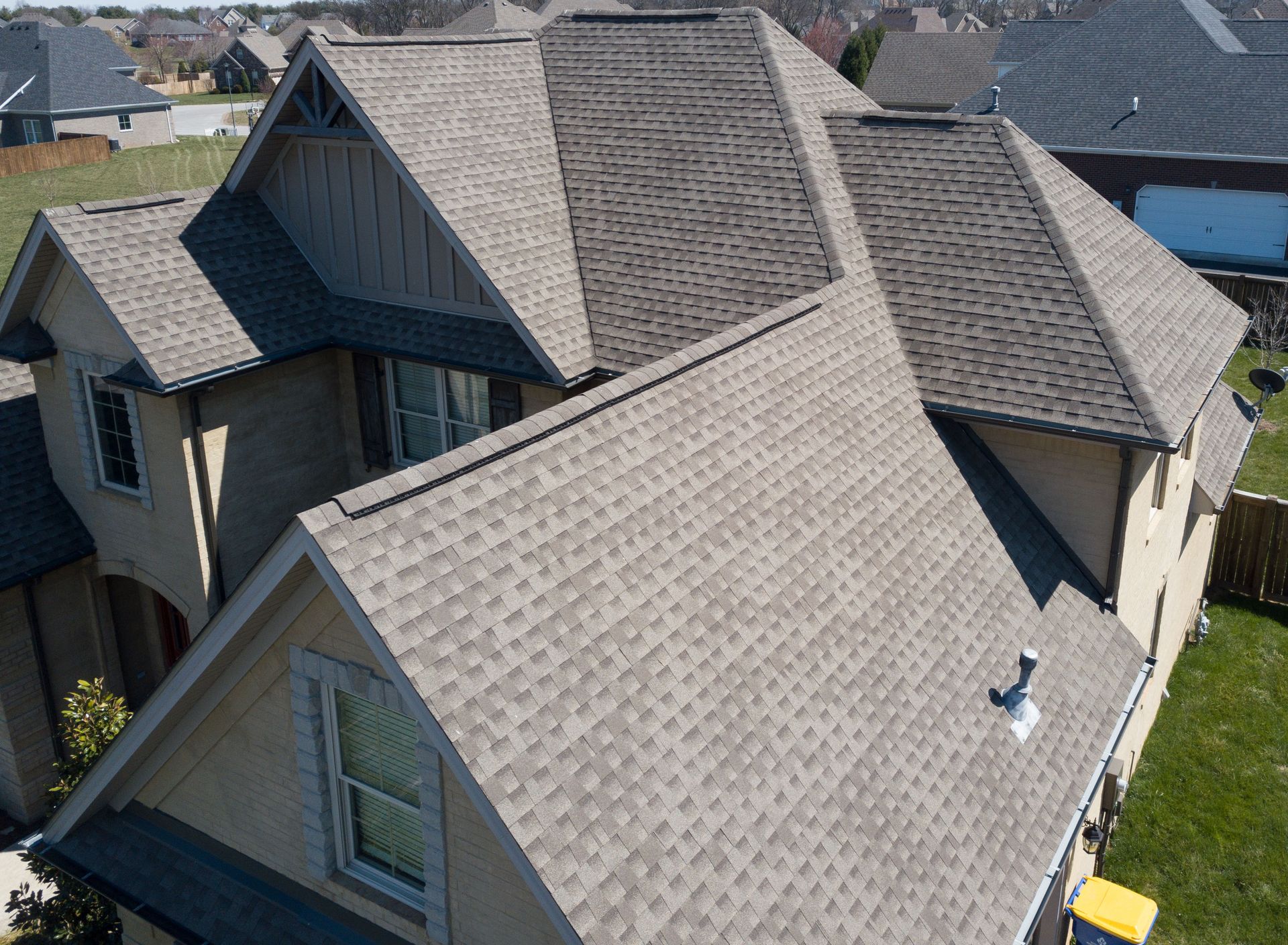
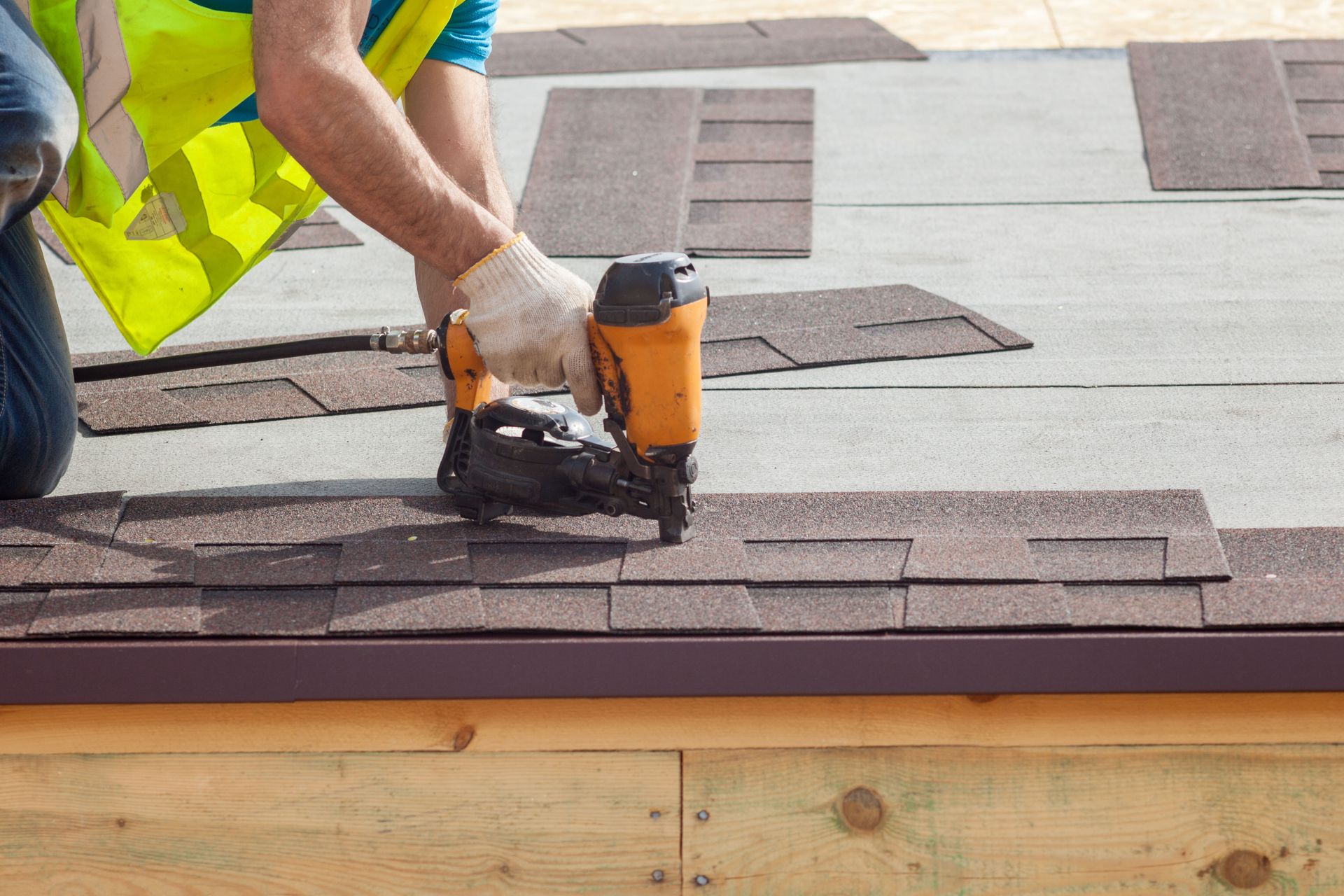
Installing an asphalt roof involves preparing the roof surface, applying protective underlayment, and layering shingles in an overlapping pattern to ensure proper water drainage. Residential roofers follow this structured process to help ensure the roofing system performs effectively over time. Ridge components are added to help seal and finish the roof structure.
Careful installation is important to ensure the roof performs effectively and provides long-term protection. Residential roofers also emphasize proper alignment and material placement during installation to support overall durability. Routine maintenance plays an important role in extending the lifespan of an asphalt roof and maintaining its appearance.
Routine maintenance may include periodic inspections, debris removal, and addressing minor issues before they develop into larger concerns. Residential roofers often recommend scheduling these checks to help preserve roofing performance over time. Proper maintenance supports both structural integrity and long-term usability of the system.
Versatile Roofing Applications
Asphalt roofing is widely used across residential homes, multi-family properties, and commercial buildings due to its versatility and adaptability. Residential roofers often install these systems for roof replacements, new construction projects, and repair work. Its broad application makes it one of the most commonly used roofing materials in the industry.
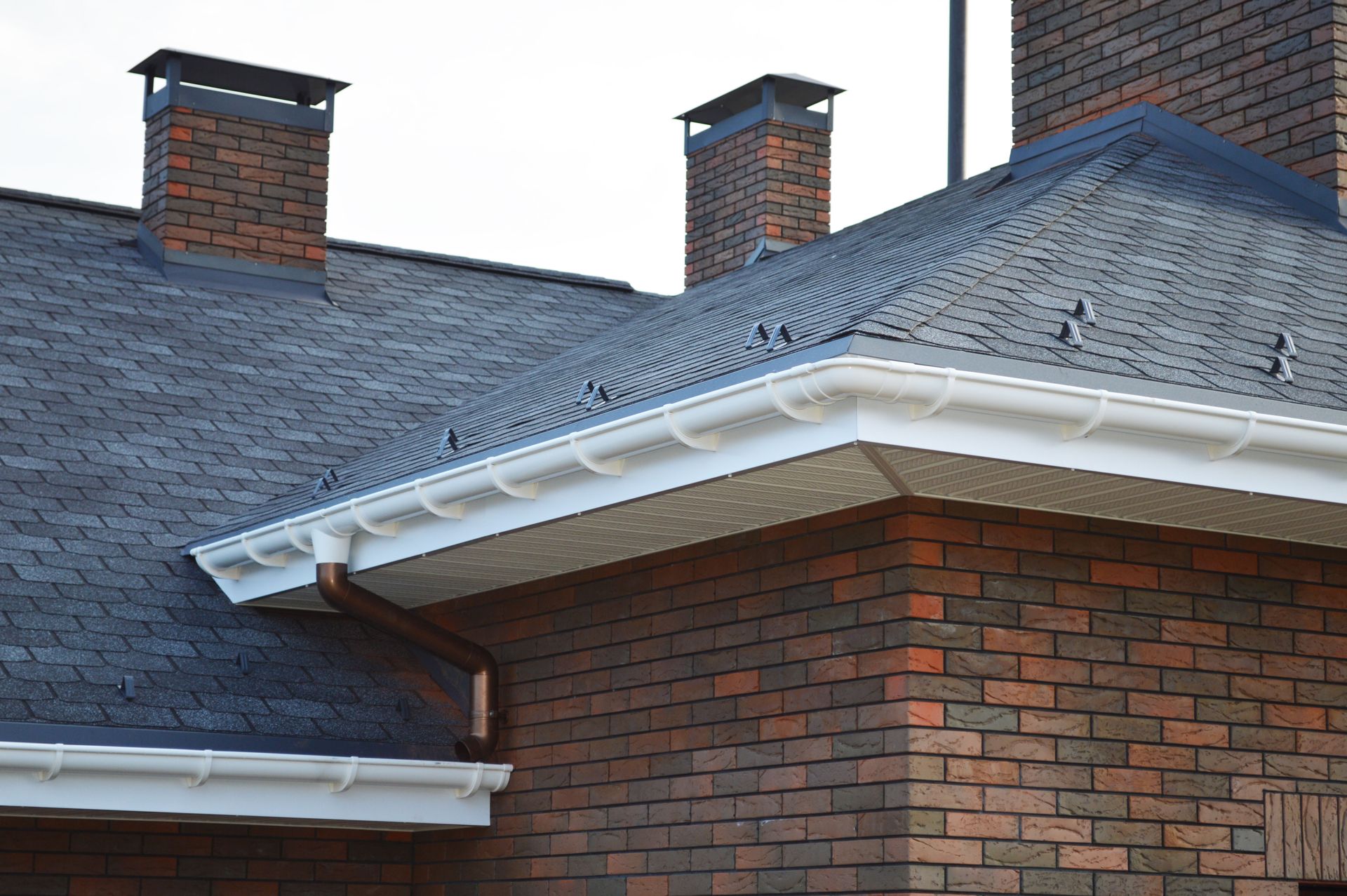
In addition to roofing services, exterior components such as gutters and siding may also be included in broader property improvement projects to support overall building performance and protection. Residential roofers often coordinate these services to ensure cohesive exterior system performance. Asphalt roofing remains a popular choice due to its dependable performance, cost efficiency, and straightforward installation process.
For property owners looking to explore professional roofing solutions such as installation, repair, maintenance, storm damage restoration, inspections, roof rejuvenation, gutter services, and siding work, more information is available through a full-service roofing provider. To learn more about these services and how they support long-term exterior protection, visit RVA Roofing Services.