March 6, 2026
A roof replacement is a major home improvement project, and understanding what lies ahead can make the experience far less stressful. From the first inspection to the final cleanup, the process follows a clear sequence designed to protect your home, improve performance, and restore long-term reliability. When you work with a qualified local roofing company, you gain professional guidance, clear communication, and predictable results at every stage. This guide explains what homeowners can realistically expect before, during, and after a roof replacement so you can plan with confidence and avoid surprises.
Understanding When Roof Replacement Is Necessary
Evaluating the Age and Condition of Your Roof
Every roof has a service life, and recognizing when yours is nearing the end is the first step in planning a replacement. Asphalt shingles, the most common residential roofing material, are designed to last for a defined window rather than indefinitely. According to information published by The Spruce, most asphalt shingle systems perform reliably for about 12 to 30 years, depending on climate exposure, installation quality, ventilation, and maintenance. As shingles age, protective granules wear away, sealants dry out, and flexibility is lost, making leaks and wind damage more likely. A professional evaluation helps determine whether repairs can still extend usability or if full replacement is the safer investment.
Identifying Visible Warning Signs
Many homeowners first suspect roofing issues after noticing exterior changes. Curling, cracking, or missing shingles are clear indicators that the system is no longer protecting the roof deck evenly. Granules collecting in gutters or at downspouts suggest surface erosion that leaves shingles vulnerable to UV exposure and moisture intrusion. Algae streaks or uneven discoloration can signal trapped moisture or declining material performance. When these signs appear across multiple roof planes, replacement is often more cost-effective than repeated spot repairs.
Recognizing Interior Symptoms of Roof Failure
Roof problems do not always announce themselves from the outside. Interior clues such as ceiling stains, peeling paint, damp insulation, or musty odors often point to ongoing moisture intrusion. These symptoms indicate that water has already bypassed the roofing system and may be affecting framing or drywall. Left unaddressed, minor leaks can evolve into structural deterioration or mold growth. A qualified local roofing company will trace these issues to their source and determine whether replacement is required to resolve the underlying cause.
Considering Energy Efficiency and Ventilation Issues
An aging roof system frequently coincides with inadequate attic ventilation or outdated underlayment. Poor airflow allows heat and moisture to accumulate, which shortens shingle life and increases HVAC strain. Rising energy bills and uneven indoor temperatures can often be traced back to these roofing-related inefficiencies. During a replacement, ventilation components can be upgraded to improve attic balance, helping stabilize interior comfort and protect the new roof from premature aging.
Preparing for the Roof Replacement Process
Scheduling Inspections and Consultations
Preparation begins with a thorough inspection conducted by roofing professionals. This assessment evaluates shingles, flashing, ventilation, underlayment, and decking conditions. Measurements are taken, problem areas documented, and any storm-related damage noted. The goal is to build a complete picture of your roof's current state so recommendations are accurate and tailored to your home. Clear communication during this phase ensures expectations are aligned before work begins.
Reviewing material options and system design
Once replacement is confirmed, homeowners are presented with material choices. Asphalt shingles vary in profile, color, wind rating, and warranty coverage. Underlayment systems, flashing details, and ventilation components are also discussed, as these elements directly impact durability and moisture control. A knowledgeable local roofing company explains the advantages of each option, helping you select a system that balances performance, appearance, and budget without unnecessary upgrades.
Understanding Timelines and Project Scope
Roof replacement is typically completed within a defined window, but timelines vary based on roof size, complexity, weather, and material availability. Before work starts, you should receive a clear outline of project phases, including tear-off, deck inspection, installation, and cleanup. Knowing how long each stage may take allows you to plan around noise, debris, and limited access to certain areas of your property.
Preparing Your Home and Surroundings
Homeowner preparation plays an important role in a smooth project. Clearing driveways, protecting fragile items in attics, and securing wall hangings can help prevent damage caused by vibration during the tear-off. Outside, landscaping near the home may be covered or temporarily relocated to protect it from falling debris. Professional crews take steps to safeguard siding, windows, and walkways, but a bit of preparation on your end adds peace of mind.
Coordinating Permits and Compliance
Most roof replacements require permits confirming the work meets local building codes. Reputable contractors handle this process, coordinating inspections and documentation on your behalf. Code compliance is especially important for decking integrity, ventilation standards, and flashing installation. Working with a licensed local roofing company ensures these requirements are met, protecting you from future compliance issues or complications during a home sale.
Knowing What Happens During and After Installation
Tear-off and Deck Evaluation
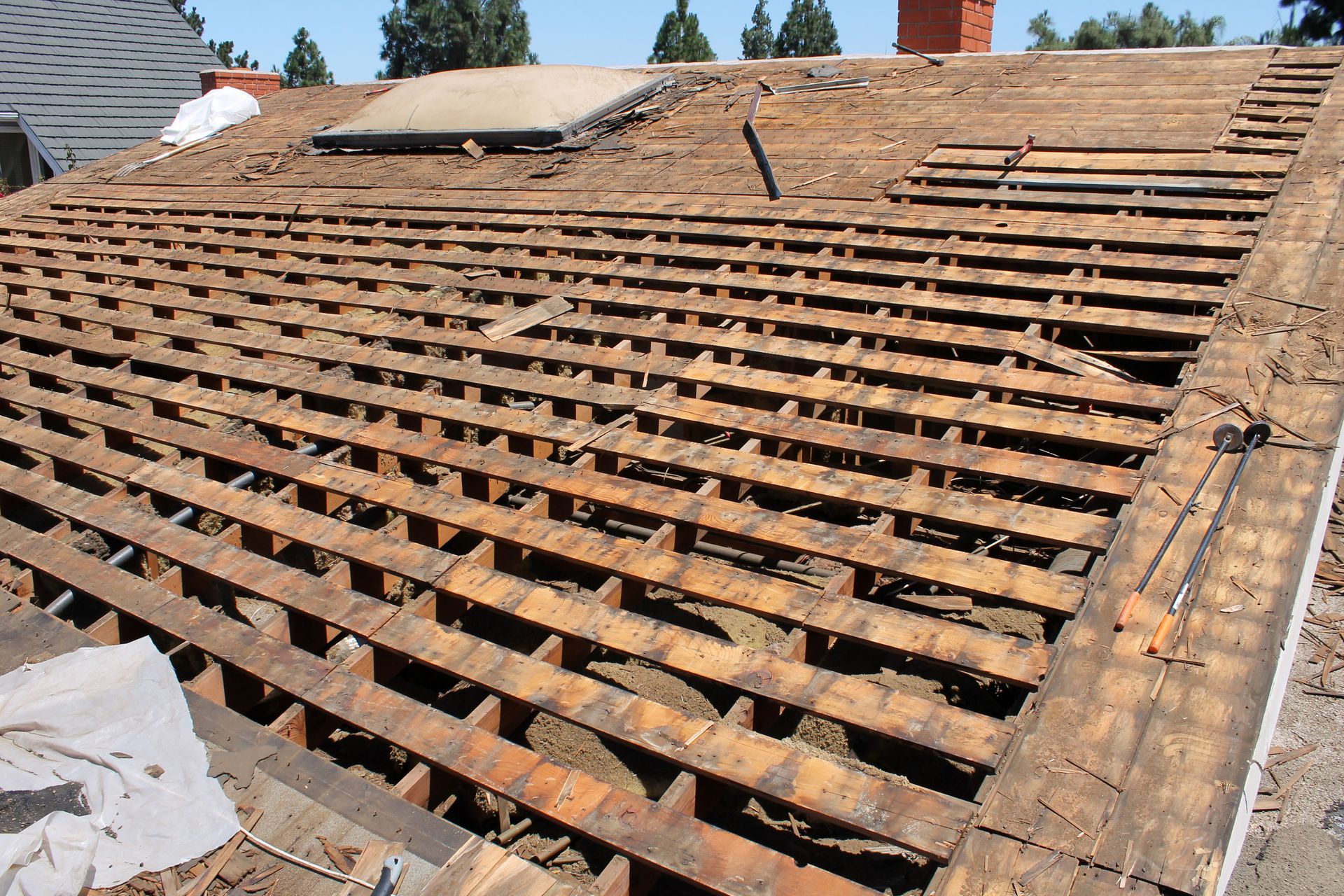
The replacement process begins with removing old shingles and underlayment. This exposes the roof deck, allowing installers to assess its condition directly. Any soft, rotted, or compromised sections are replaced to create a solid foundation for the new system. Addressing these issues during replacement prevents hidden weaknesses that could shorten the life of the new roof.
Installation of Underlayment and Flashing
Once the deck is sound, modern underlayment is installed to serve as a secondary moisture barrier. Ice and water protection is added in vulnerable areas such as eaves, valleys, and penetrations. Flashing around chimneys, walls, and skylights is replaced or upgraded to ensure watertight transitions. These components work together to manage water flow and protect against wind-driven rain.
Shingle placement and ventilation upgrades
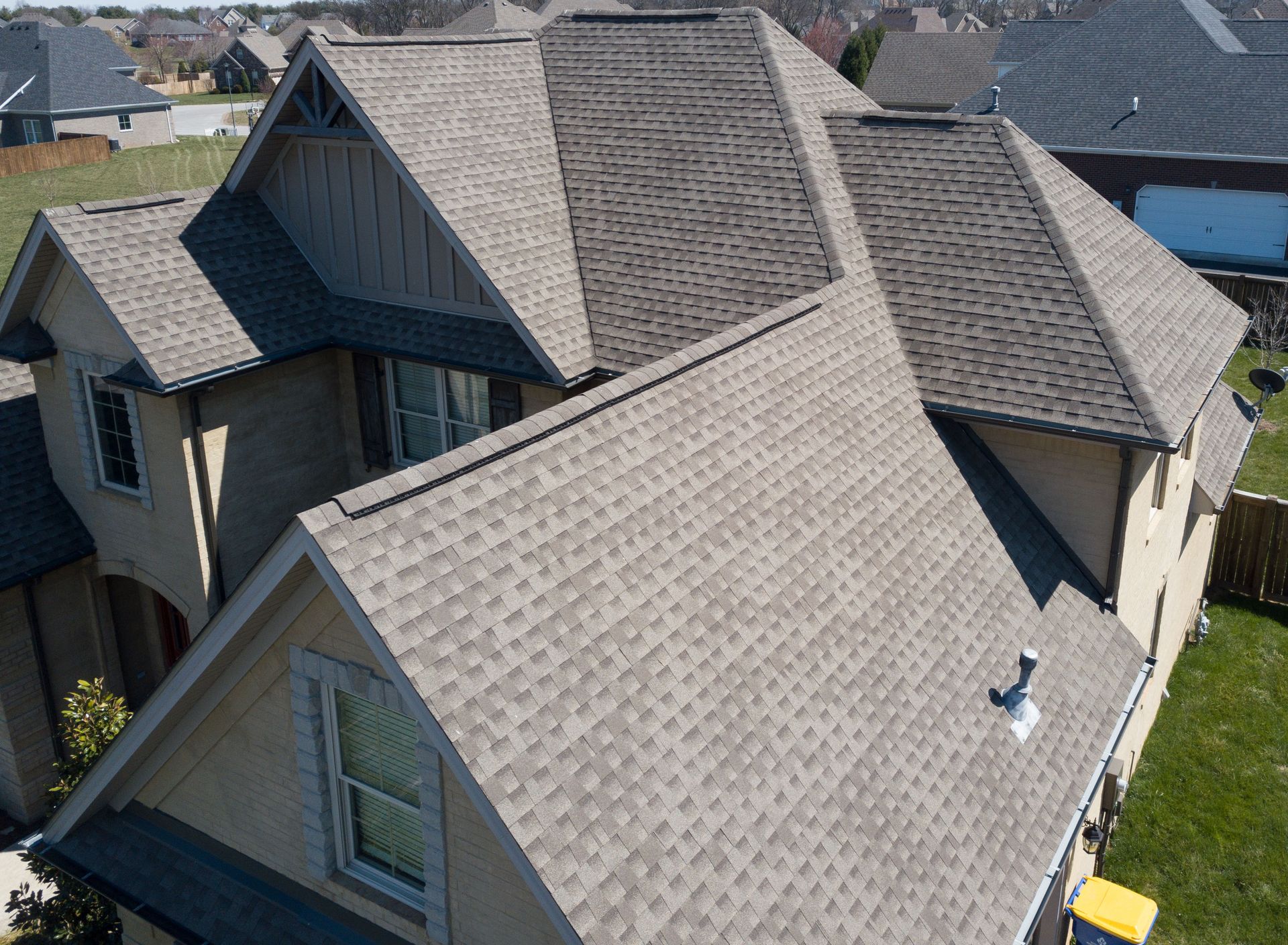
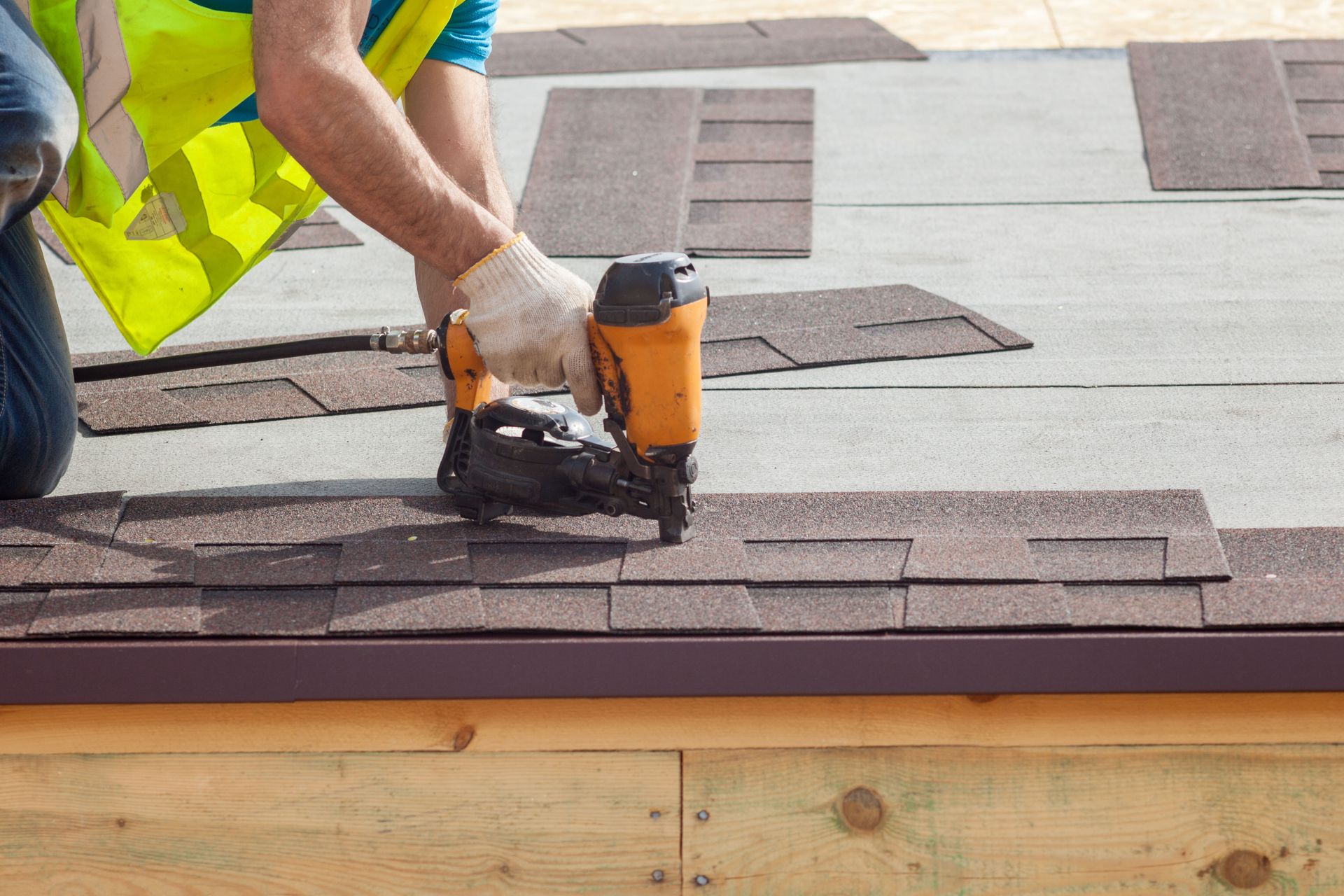
Shingles are installed according to manufacturer specifications, including correct nailing patterns and alignment. Starter strips, ridge caps, and valley details are handled with precision to ensure uniform coverage and wind resistance. At this stage, ventilation improvements are often integrated, such as ridge vents or enhanced intake systems. Proper airflow helps regulate attic temperature and moisture, extending the lifespan of the new roof.
Daily Cleanup and Safety Measures
Throughout the project, crews maintain an organized worksite. Debris is removed regularly, and protective coverings remain in place to shield landscaping and hardscaping. Magnetic sweepers are used to collect nails, reducing the risk of punctures or injuries. These practices reflect the professionalism expected from a reliable local roofing company and help minimize disruption to your routine.
Final Inspection, Documentation, and Ongoing Support
After installation is complete, a comprehensive inspection verifies that all components meet quality and code standards. Homeowners are walked through the finished work, maintenance guidelines are reviewed, and warranty information is provided. Documentation for materials and workmanship is issued for your records. Even after the project concludes, a reputable contractor remains available for questions or future service needs, reinforcing long-term confidence in your investment.
A roof replacement is not just a construction project. It is a strategic investment in your home's safety, efficiency, and value. By understanding the signs that indicate replacement, preparing thoroughly, and knowing what to expect during installation, you can approach the process with clarity rather than uncertainty. Partnering with an experienced local roofing company ensures each phase is handled with expertise, from initial assessment to final inspection. With the right planning and professional support, a new roof delivers decades of dependable protection and peace of mind. If you're looking for a local roofing company to replace your roof, reach out to RVA Roofing Services today!