Trees add beauty, shade, and value to a property, but they can also have a significant impact on your roof—both positive and negative. While trees provide natural cooling benefits and improve curb appeal, they can also pose risks such as debris buildup, damage from falling limbs, and increased moisture retention. Understanding how trees affect your roof can help you take proactive steps to protect your home and extend the life of your roofing system.
1. Shade and Energy Efficiency
One of the biggest advantages of having trees around your home is the shade they provide. By blocking direct sunlight, trees help reduce heat absorption through your roof, keeping your home cooler in the summer. This can lead to lower energy bills and less strain on your HVAC system. However, excessive shade can also prevent your roof from drying properly after rain, increasing the risk of moisture-related issues.
2. Falling Branches and Roof Damage
Overhanging branches pose a serious threat to your roof. Strong winds, storms, or simply the natural aging of a tree can cause limbs to break off and fall onto your shingles, leading to cracks, punctures, or even structural damage. Regular tree maintenance, including trimming branches away from the roof, can help prevent costly repairs.
3. Leaf and Debris Buildup
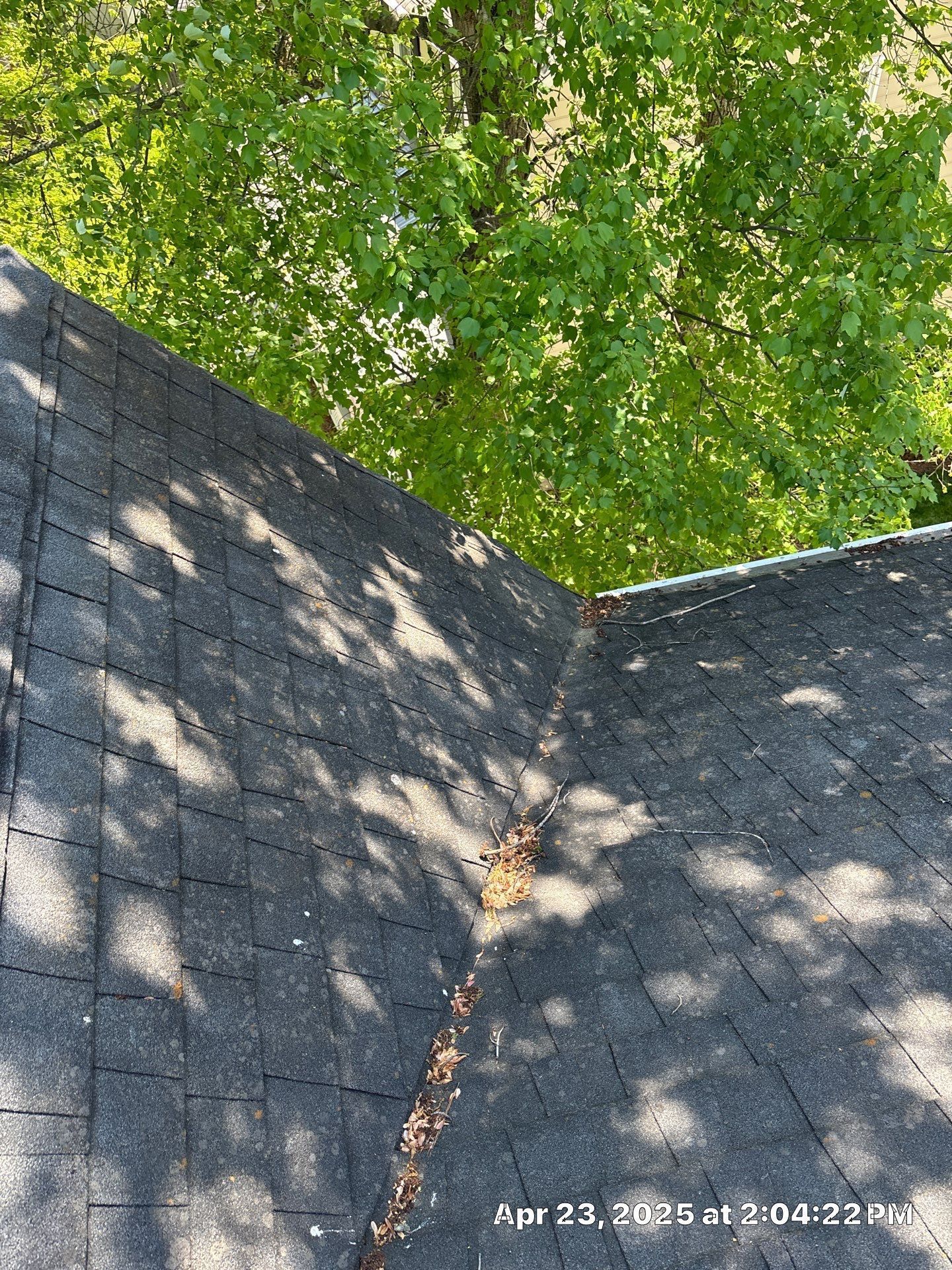
Leaves, twigs, and other debris from trees can accumulate on your roof and in your gutters. If not regularly cleaned, this buildup can trap moisture, leading to mold growth, wood rot, and deterioration of roofing materials. Clogged gutters can also cause water to back up under shingles, increasing the risk of leaks and water damage inside your home.
4. Moss and Algae Growth
Shaded areas of the roof, especially in humid environments, create the perfect conditions for moss and algae growth. Moss can lift shingles and allow water to seep underneath, while algae can cause unsightly black streaks that may degrade the roof’s appearance. Proper tree placement and regular roof cleaning can help minimize these issues.
5. Pest Problems
Trees close to your home can provide easy access for pests like squirrels, raccoons, and insects. These animals can find their way onto your roof, potentially causing damage by gnawing on shingles, nesting in gutters, or even entering your attic. Keeping tree branches trimmed and sealing any roof openings can help deter unwanted critters.
Protecting Your Roof While Enjoying the Benefits of Trees
Trim Overhanging Branches: Keep tree limbs at least 6-10 feet away from your roof to prevent damage from falling branches and reduce debris buildup.
Clean Your Roof and Gutters Regularly: Removing leaves, twigs, and other debris will help prevent moisture retention and blockages.
Monitor for Moss and Algae: If you notice growth, consider professional roof cleaning or installing zinc or copper strips to inhibit further spread.
Schedule Tree Inspections: A certified arborist can assess the health of your trees and recommend necessary pruning or removal to minimize risk.
How RVA Roofing Services Can Help
At RVA Roofing Services, we know that trees can both enhance and challenge the longevity of your roof. If your roof has suffered damage from tree-related issues, our team can provide inspections, repairs, and preventative maintenance. Our Roof Maxx treatment can also restore aging shingles, helping your roof stay flexible and durable even in challenging environments.
Contact us today 804-504-5657 to schedule a free roof inspection and ensure your home stays protected while enjoying the benefits of trees around your property!
Servicing the Tri Cities, Dinwiddie, Richmond and surrounding areas!