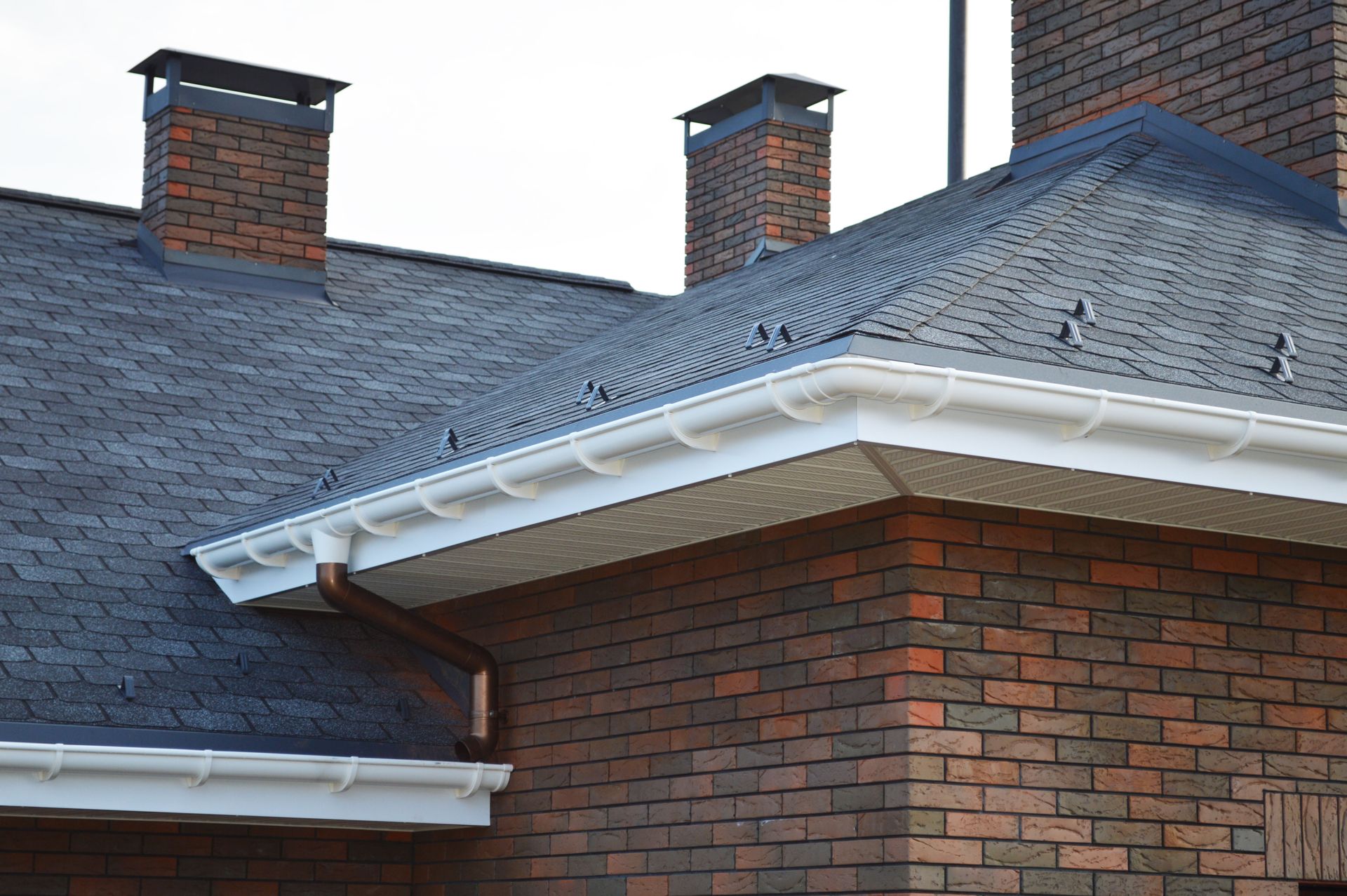
After the heavy rainstorms we've been seeing in the tri-cities and surrounding areas, it's essential to check your roof for any signs of damage. Even if everything looks fine from the outside, hidden issues can develop that may lead to costly repairs down the road. Your roof is your home’s first line of defense and keeping it in top condition after bad weather is critical.
Here’s a local homeowner’s checklist of what to look for on your roof after a storm.
1. Check for Water Stains and Leaks Inside Your Home
Sometimes the first sign of roof damage shows up inside your home.
After heavy rain in the Southern VA area, be sure to check for:
Water stains on ceilings or walls
Bubbling paint or peeling drywall
Musty smells in your attic or crawl space
These could be signs of a roof leak that needs urgent attention from a local roofing contractor.
2. Inspect Your Attic for Moisture or Light
If it’s safe to do so, check your attic after a storm.
Look for:
Wet or damp insulation
Water stains on wooden beams
Any light shining through the roof
If you notice any of these, it’s time to call a roofing professional for an inspection.
3. Look for Missing or Damaged Shingles
Heavy rain and wind can cause shingles to blow off, crack, or curl.
Do a ground-level check or use a drone to look for:
Bald spots where shingles are missing
Shingles that look out of place or lifted
Shingle issues are a top cause of roof leaks in [Your City] homes.
4. Check Roof Flashing & Seals
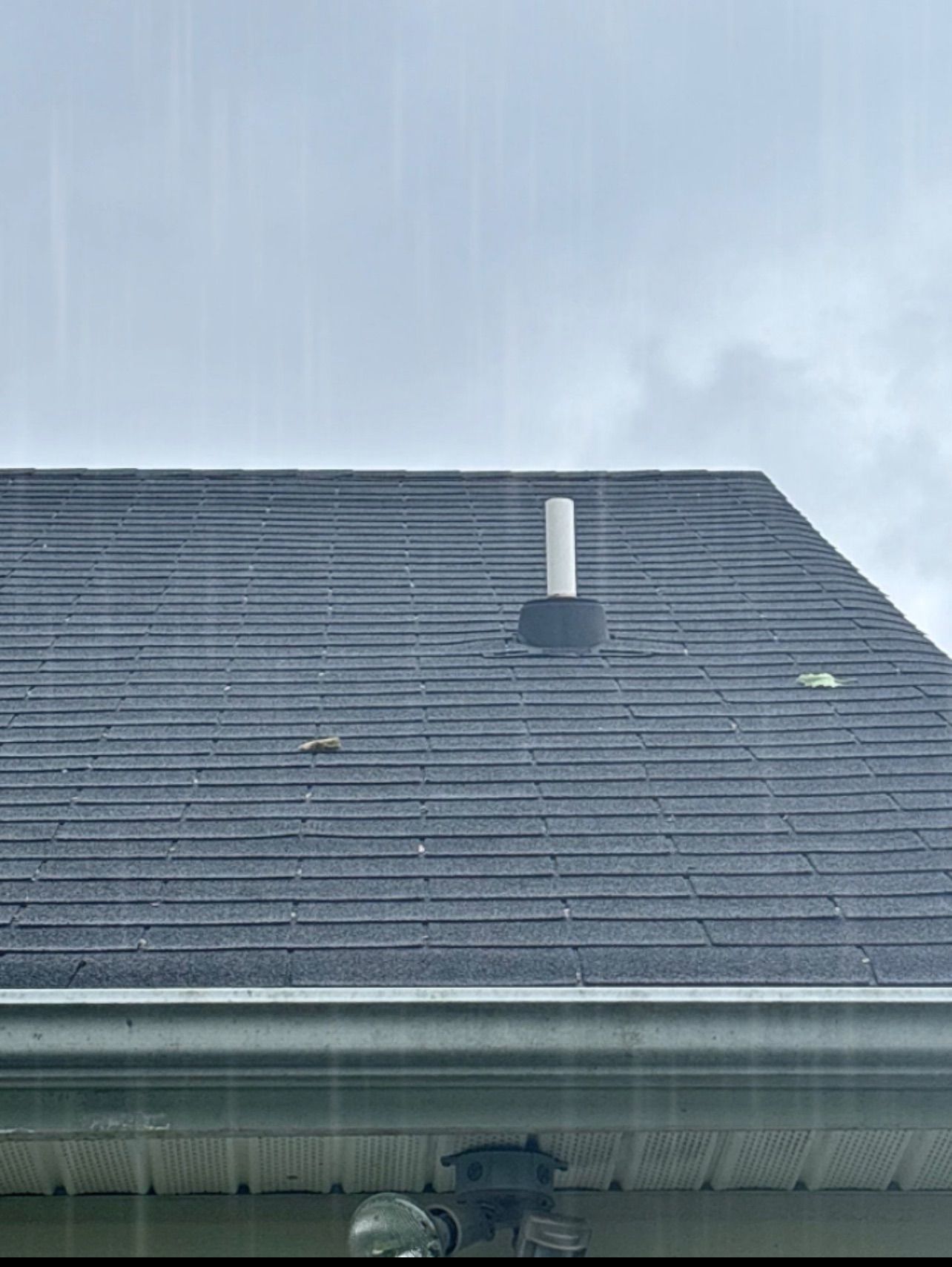
Areas around chimneys, skylights, and roof vents are common spots for leaks after a storm.
Check for:
Loose or damaged flashing
Gaps where water could seep in
Proper flashing is crucial to keeping your roof leak-free, especially during Virginia's rainy seasons.
5. Inspect Your Gutters and Downspouts
During heavy rain, clogged or damaged gutters can back up and cause roof and siding damage.
Make sure:
Gutters are clear and water is flowing freely
Downspouts are directing water away from your home’s foundation
Regular gutter maintenance is key for homeowners, especially after storms.
6. Look for Standing Water or Debris
On flat or low-slope roofs, watch for standing water after a rainstorm.
Standing water can:
Speed up roof deterioration
Lead to costly leaks and repairs
Also, clear away any leaves, branches, or debris that can trap moisture and cause rot.
Conclusion:
After every heavy rain, a quick roof inspection can save Tri Cities, Prince George County, Dinwiddie and Richmond homeowners thousands of dollars in repairs. When in doubt, call your trusted local roofing company for a professional roof inspection.
At RVA Roofing Services, we’re proud to serve the Tri Cities, Prince George, Dinwiddie, Richmond and surrounding areas with honest, reliable roofing services. Contact us today for your free post-storm roof inspection and keep your home safe, dry, and worry-free.
804-504-5657